
National Post UK
Post-Brexit Pivot: UK and Brussels Seal Landmark Pact to Ease Food Export Barriers

The new agreement promises an annual £17 billion economic uplift by dismantling complex veterinary bureaucracy. However,

The National Post

HomeBusiness
Business

Post-Brexit Pivot: UK and Brussels Seal Landmark Pact to Ease Food Export Barriers

The new agreement promises an annual £17 billion economic uplift by dismantling complex veterinary bureaucracy. However, Whitehall faces intense scrutiny over the regulatory trade-offs required to unlock these trade benefits.

TW

Thomas Ward

Business Editor

Published 23 November 2026·about 1 hour ago 3 min read
Text
Share

A New Chapter in Cross-Channel Commerce In a diplomatic breakthrough that has surprised even the most seasoned trade analysts, the United Kingdom and the European Union have successfully concluded negotiations on a comprehensive trade and cooperation agreement. Signed this morning in Brussels, the deal represents a significant recalibration of the post-Brexit trading landscape, specifically targeting the frictions that have hampered food and agricultural exporters since the end of the transition period.

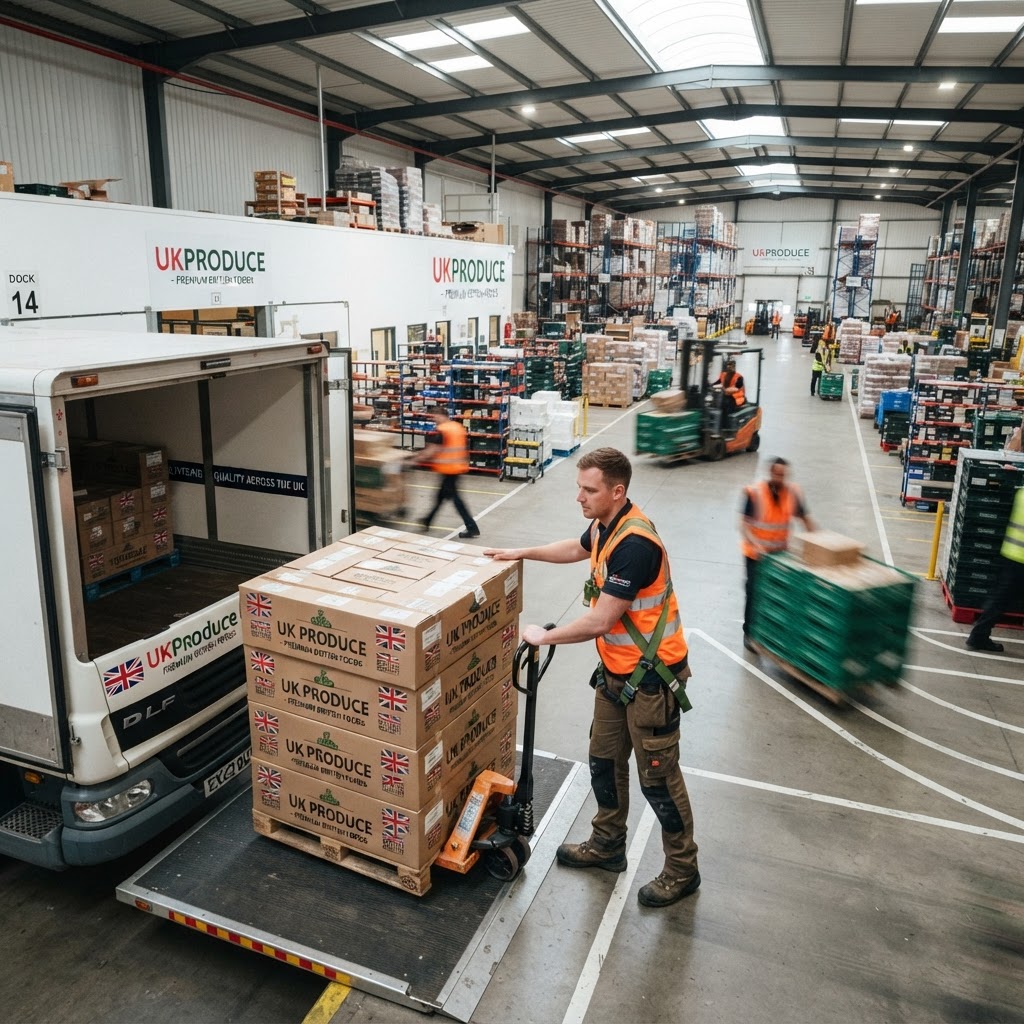
Cutting the Red Tape At the heart of the agreement is a robust commitment to streamline veterinary requirements and documentation for exporters. For the past four years, British food producers have grappled with a labyrinthine system of sanitary and phytosanitary checks that added substantial costs and lead times to perishable goods. By harmonising specific export protocols, the government claims it has removed the most burdensome administrative hurdles. Whitehall projections, released alongside the announcement, estimate an aggregate economic benefit of 0.5% of GDP, equating to a welcome £17 billion annual injection into the British economy.

The Consumer Question Despite the optimism radiating from Westminster, the sentiment among the nation’s largest supermarket chains is marked by cautious pragmatism. Industry leaders, while appreciative of the bureaucratic easing, have declined to provide guarantees regarding immediate price relief for British households. The retail sector maintains that international logistics, energy costs, and labour shortages remain significant headwinds, suggesting that lower trade friction does not automatically translate to a reduction in prices on supermarket shelves.

Regulatory Alignment and Sovereignty The deal is not without its detractors. The agreement contains provisions for youth mobility schemes and mutual commitments on carbon emissions targets, areas that have long been points of political friction. Crucially, the removal of certain trade barriers has come at the price of mandatory alignment with specific EU regulatory standards, particularly regarding pesticide use and food safety criteria. Critics argue that this effectively subjects British producers to 'rule-taking' by Brussels, potentially constraining the UK’s ability to diverge and strike independent deals elsewhere. Economic analysts have pointedly noted that the forecasted £17 billion windfall could be mitigated if the cost of compliance with EU standards outweighs the savings generated by the removal of paperwork.

Looking Ahead As the political dust settles, the focus now turns to the parliamentary implementation process. While the government maintains that this agreement strikes the optimal balance between economic pragmatism and national sovereignty, the opposition is expected to challenge the specifics of the alignment clauses. For now, the UK’s trade relationship with its largest neighbour has entered a period of relative stability, though the long-term implications for domestic policy autonomy remain a subject of rigorous debate.

TopicsUK PoliticsTradeBrexitEconomyEU RelationsFood Industry
Share

About the Author

TW

Thomas Ward

Business Editor

Thomas Ward reports for National Post UK with a focus on rigorous analysis and authoritative journalism — a trusted voice across British public life.

Reader Discussion · 12

Subscribers can join the conversation.

SUBSCRIBE TO COMMENT →
E
Elizabeth Moore23 Nov

As someone working in logistics, I am cautiously optimistic about these measures. If the digital systems actually work as described, it should reduce the delays at the border considerably.

R
Robert Sterling23 Nov

While this is a step in the right direction, it still does not address the fundamental issue of the frictionless trade we enjoyed previously. We are essentially just patching up a system that should not have been broken in the first place.

F
Fiona Campbell23 Nov

Anything that lowers the cost of food imports and helps our exporters is a win for the British public. It is good to see both sides finally adopting a more pragmatic approach to our trading relationship.

D
David Thorne23 Nov

It is an interesting development, though one has to wonder what concessions were made behind closed doors to get the EU to agree to this. There is rarely a free lunch in international trade diplomacy.

S
Sarah Jenkins23 Nov

I will believe it when I see it on the ground. We have had too many announcements of breakthroughs that end up being nothing more than warm words with no real change in the daily bureaucracy.

A
Arthur Penhaligon23 Nov

This is long overdue for our small businesses. Dealing with the extra paperwork since 2021 has been an absolute nightmare for our export margins, so hopefully, this simplifies things significantly.

E
Eleanor Wright23 Nov

The devil is always in the details with these agreements. I look forward to reading the full text to see if there are any hidden caveats that might complicate things for farmers further down the line.

G
Geoffrey Miller23 Nov

This looks like a positive development for UK-EU relations. Anything that reduces friction at the border is a win for both sides of the Channel.

F
Fiona Campbell23 Nov

It seems a bit late, doesn't it? Many of my industry contacts have already shifted their supply chains entirely to avoid the uncertainty, so I wonder how much trade we can actually claw back.

D
David Thorne23 Nov

As someone who runs a small food distribution firm, this is incredibly welcome news. The red tape has been stifling our growth for years and this deal should provide some much-needed breathing room.

S
Sarah Jenkins23 Nov

I will believe it when I actually see the impact on supermarket prices. My weekly shop is still far too expensive and I doubt this paperwork change will reach the consumer anytime soon.

A
Arthur Penhaligon23 Nov

This is a sensible step forward for our exporters. It is high time we focused on pragmatic solutions rather than political grandstanding to help our small businesses thrive again.
More from Business

Most Read in Business

Morning Briefing

The day's top stories, before 7am

Join 40,000 readers who start their morning with National Post UK.