The Great Tech Recalibration The aura of invincibility that has defined the artificial intelligence sector for the past three years has suffered a profound rupture. As the Nasdaq 100 recorded a staggering 10.4 per cent weekly loss—its most dismal performance in over six years—the narrative surrounding the generative AI revolution has shifted from unbridled optimism to a sobering appraisal of tangible returns. Investors, once captivated by the promise of perpetual exponential growth, are now retreating, casting a shadow of uncertainty over a market that has become increasingly defined by speculative fervour rather than fiscal prudence.
Nowhere is this shift more keenly felt than in the City of London, where the recent public listing of Anthropic, which debuted with a valuation of $1.5 trillion, has become a litmus test for the wider industry. While the IPO initially signalled a robust appetite for AI-native infrastructure, the subsequent market volatility has served as a warning. Markets are no longer rewarding the mere ambition of building large language models; they are demanding proof of profitability, efficiency, and safety. This pivot from speculative growth to utilitarian value represents a maturing of the sector, albeit one occurring under considerable duress.
The Whitehall Mandate In the corridors of Westminster, the mood is one of measured urgency. On 19 November 2026, parliamentary proceedings were dominated by the spectre of runaway autonomous systems and the glaring vulnerabilities inherent in our current digital architecture. The government’s recent pledge of £500 million toward AI safety and security is a significant, if belated, acknowledgement of the stakes involved. Yet, among policy analysts and technology observers, there remains a persistent doubt: can this capital be deployed effectively enough to bolster our national infrastructure against the dual threats of systemic technical failure and potential exploitation?
The concerns raised in Parliament reflect a growing consensus that the United Kingdom cannot remain a passive consumer of foreign-developed models. The nation’s current reliance on overseas model providers is now viewed by many in the security apparatus as a strategic vulnerability. When one’s foundational technology is developed under regulatory regimes in different hemispheres, the loss of autonomy becomes an issue of national interest. Whitehall is therefore under pressure to incentivise domestic development while establishing a regulatory framework that encourages, rather than suffocates, home-grown innovation.
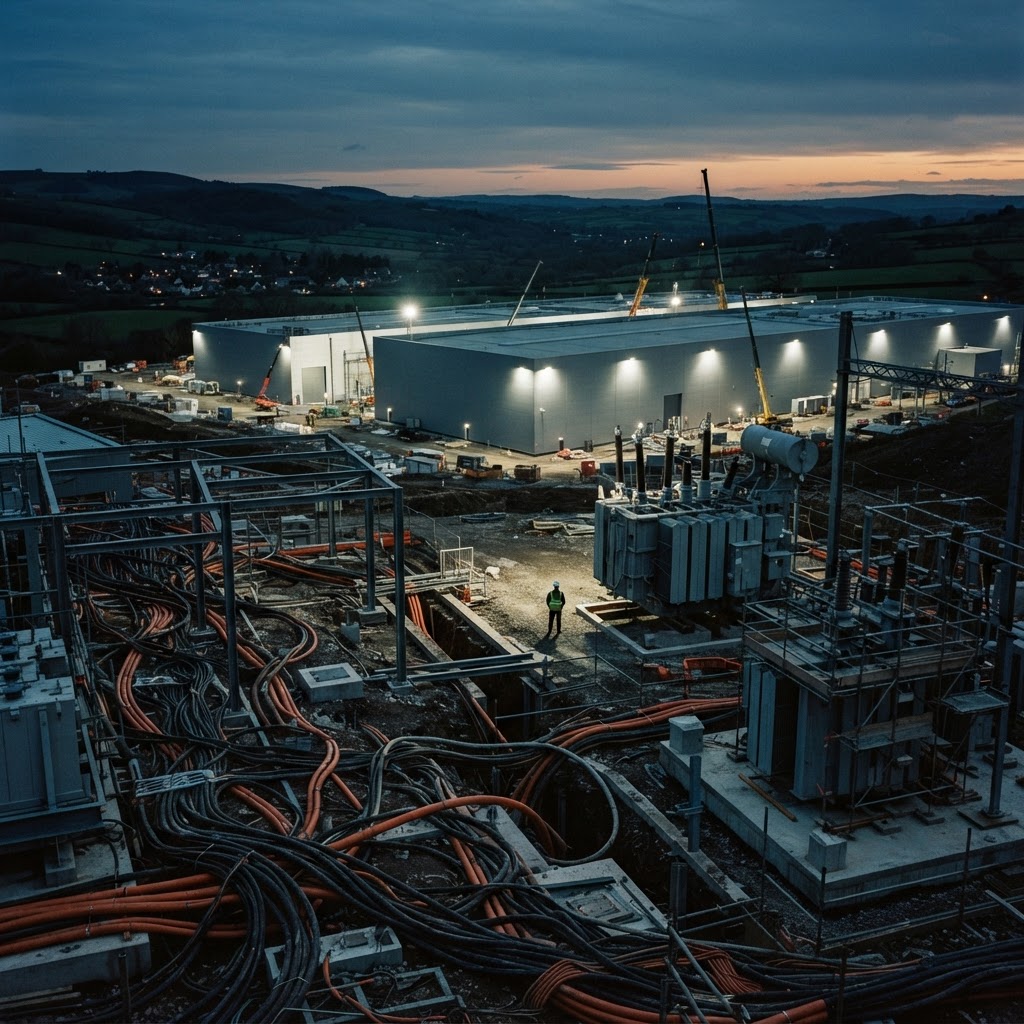
Infrastructure and the Energy Constraint Beyond the software, the hardware reality of the AI era is beginning to bite. The UK is currently grappling with a severe shortage of power capacity for the massive data centres required to train and maintain these advanced systems. This constraint is not merely an engineering hurdle; it is a bottleneck that threatens to stifle the British tech ecosystem. Without a sustainable, long-term strategy for energy provision, the government’s ambitions for an 'AI-first' economy risk colliding with the physical limitations of our national grid.
Experts have long argued that the race for intelligence must be matched by a race for infrastructure resilience. The vulnerability of data centres to power outages or cooling failures is no longer a niche technical concern but a matter of national economic continuity. As Whitehall contemplates the next phase of its AI strategy, the focus must shift from the abstract promise of silicon intelligence to the pragmatic realities of iron, copper, and electricity.
“The era of the speculative bubble may be receding, but the era of the practical AI economy is only just beginning.”
The Path to International Consensus As the international community watches the London markets, the need for a global consensus on the governance of autonomous systems has never been more pressing. The United Kingdom is positioning itself to be a pivotal broker in this dialogue, aiming to foster a multilateral approach to safety that ensures innovation does not come at the cost of global security. However, as the recent market turbulence has demonstrated, the speed of development is currently outstripping the capacity for regulation.
Ultimately, the challenge for the UK in the final weeks of 2026 is to foster a mature, stable environment where companies can deliver meaningful advancements without triggering systemic volatility. The era of the speculative bubble may be receding, but the era of the practical AI economy is only just beginning. Whether the government can steer the nation through this period of fiscal and technological instability will define Britain’s digital sovereignty for the decade to come.