The government has secured a strategic agreement with the European Union designed to strip away cumbersome bureaucratic layers in the food and drink sector. Whilst ministers project a long-term boost of £17bn to the economy, questions remain over the implications of continued regulatory alignment.
A Pivot Toward Efficiency
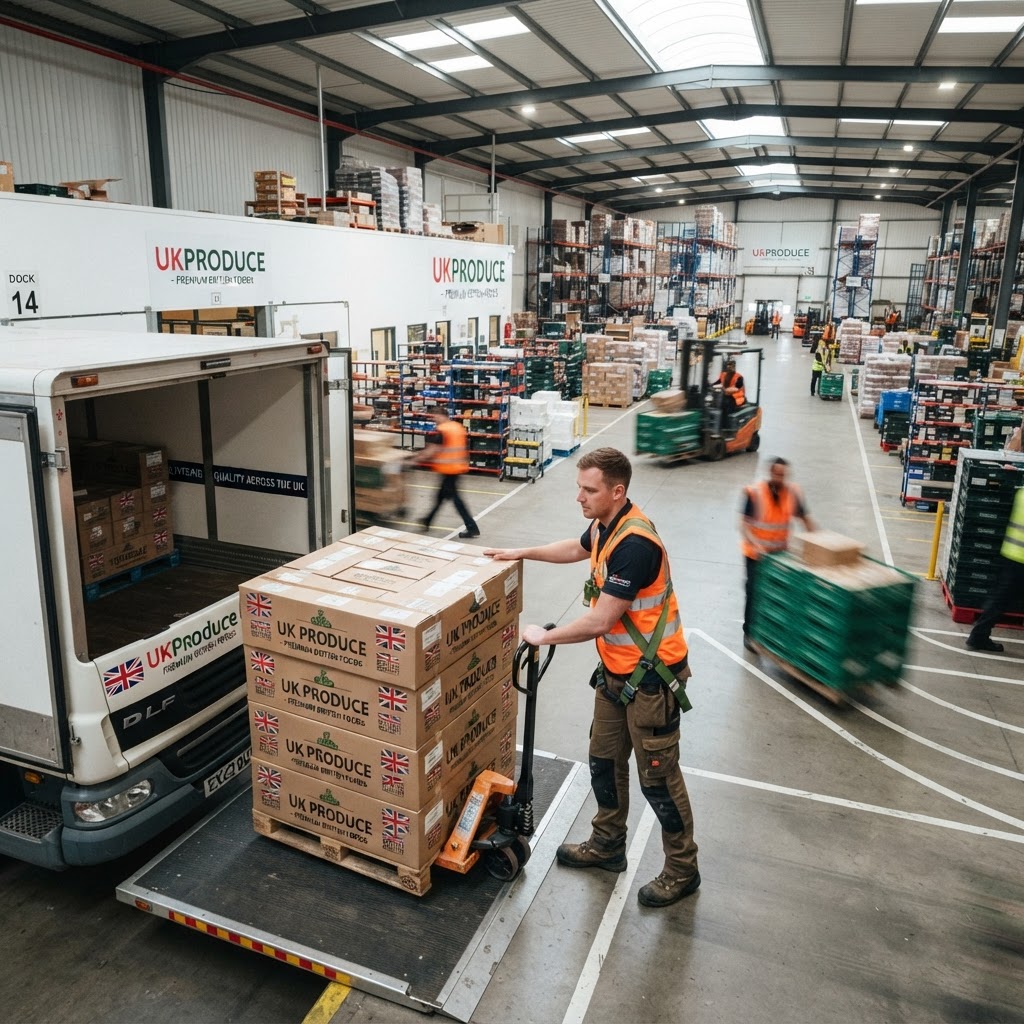
In a move that signals a quiet, pragmatic thaw in post-Brexit commercial relations, the UK government has finalised a wide-ranging trade arrangement with the European Union. Aimed squarely at alleviating the administrative burden that has plagued British exporters since the transition period concluded, the agreement focuses on the removal of protracted veterinary checks and the digitisation of customs declarations. This deal, while stopping short of a full re-entry into the single market or customs union, represents the most significant recalibration of the UK-EU trading relationship in half a decade.
Quantifying the Economic Dividend
The Treasury has projected that the streamlining of food and drink exports alone will contribute £5bn to the UK economy by 2040. When combined with broader harmonisation efforts regarding emissions targets and enhanced youth mobility schemes, government analysts estimate a potential annual GDP uplift of £17bn, or approximately 0.5 percent of the national economy. Whitehall officials are keen to present this as a vindication of a more nuanced, sector-specific approach to international commerce, moving away from the blunt rhetoric that characterised negotiations in the early 2020s.
Industry Reaction and Consumer Caution
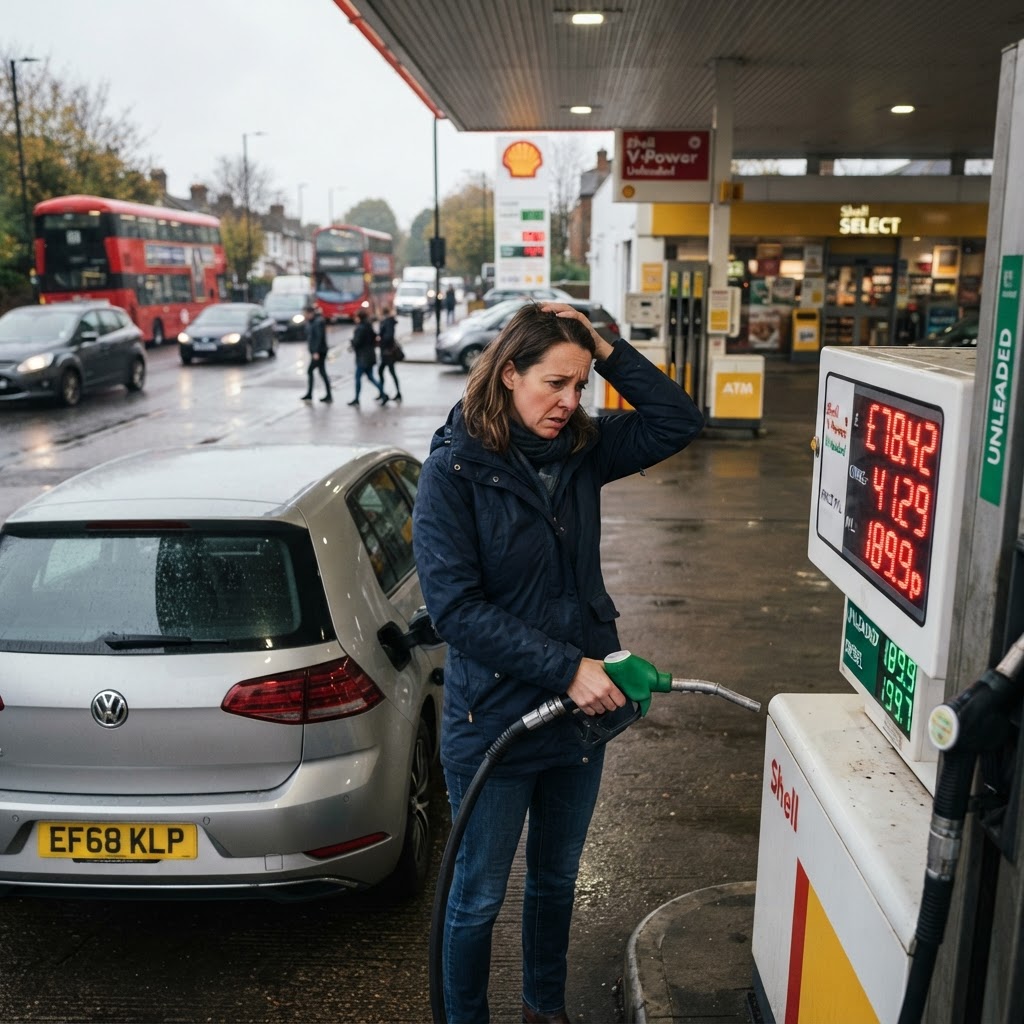
Supermarket executives and trade bodies have offered a cautious welcome to the news. For producers of perishable goods, the reduction in paperwork is expected to slash logistics costs and mitigate the risk of spoilage at border checkpoints. However, industry representatives have been quick to temper expectations regarding the retail impact. While the agreement is a significant logistical triumph, retailers have thus far declined to commit to immediate price reductions for shoppers, citing the complexity of global supply chains and persistent inflationary pressures in the energy and labour sectors.
The Shadow of Regulatory Alignment
The political price for these concessions is a commitment from London to maintain specific regulatory alignments with EU standards. This 'dynamic alignment' ensures that British goods meet the requirements of the European market without the need for repetitive testing, yet it inevitably raises questions regarding the UK's long-term regulatory autonomy. Critics from the pro-sovereignty wing of the political spectrum are already questioning whether the economic benefits of this 'frictionless' trade justify the loss of independent policymaking capacity in areas such as food safety and environmental standards. Conversely, pro-European commentators argue that this alignment is a necessary pragmatic concession that prioritises commercial viability over ideological purity.
The Long View
The agreement is not a panacea for the structural challenges facing the British economy, but it does remove a significant obstacle that has weighed heavily on medium-sized enterprises. By lowering the barriers to entry for smaller exporters who lacked the legal infrastructure to navigate the previous red tape, the government hopes to stimulate a broader base of British participation in continental markets. As the ink dries on the documentation, the focus will now shift to the implementation phase, where the efficacy of the new digital customs systems will be tested in real-world conditions. Whether this deal serves as a foundation for further rapprochement or remains a standalone technical adjustment will likely be defined by the political landscape in both Westminster and Brussels over the coming electoral cycle.