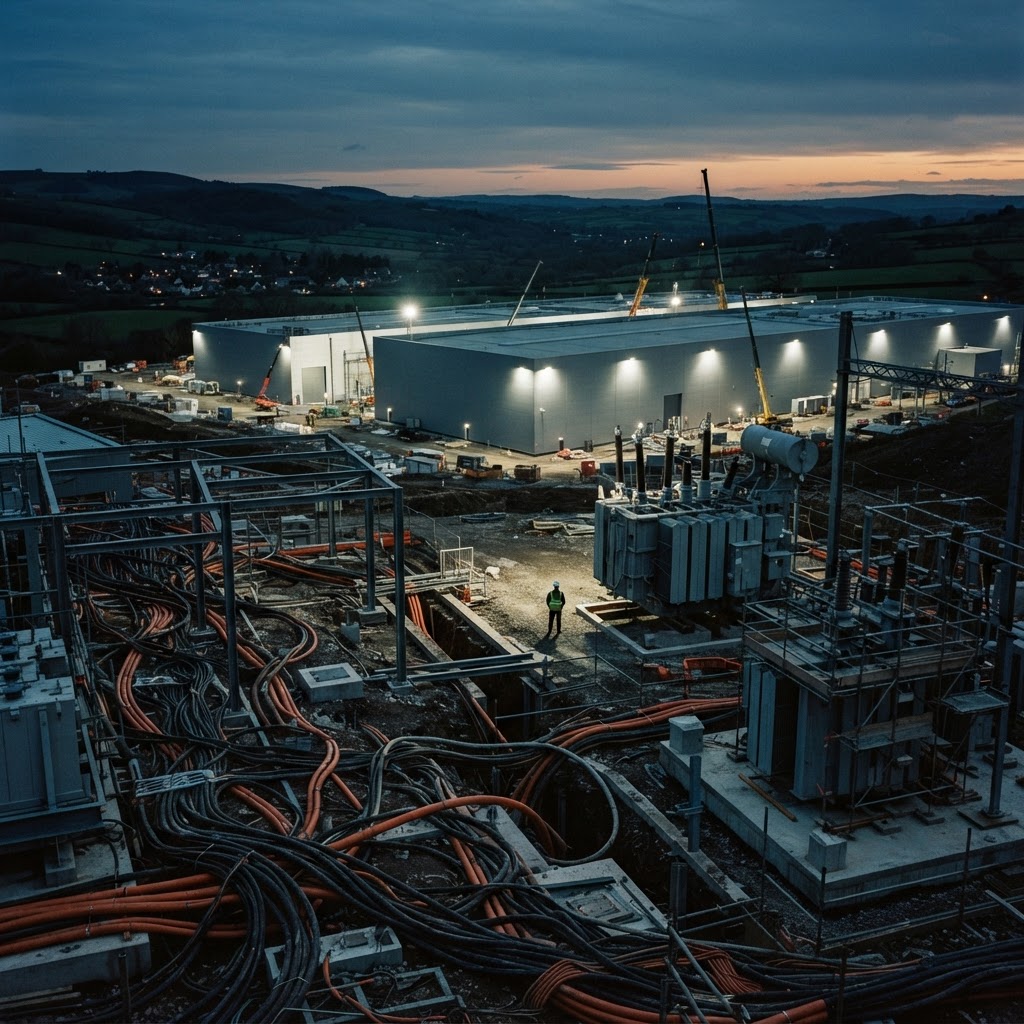
Parliamentary Oversight Intensifies as UK Grid Bottlenecks Imperil AI Ambitions
The Liaison Committee has moved to appoint a dedicated scrutiny body to review the government’s National Policy Statement on Data Centres. As demand for computing power surges, systemic failures in grid connectivity threaten to leave Britain’s digital infrastructure behind.
DK
Daniel Kim
Technology Editor
Published 21 November 2026·about 1 hour ago 3 min read
Text
TopicsData CentresUK EnergyAI StrategyParliamentTechnology InfrastructureOfgemDigital Sovereignty
About the Author
DK
Daniel Kim
Technology Editor
Daniel Kim reports for National Post UK with a focus on rigorous analysis and authoritative journalism — a trusted voice across British public life.
Reader Discussion · 5
Subscribers can join the conversation.
SUBSCRIBE TO COMMENT →J
James P. Harrison21 Nov
A focused committee is a sensible step forward. Clearer scrutiny might finally force the National Grid to prioritise the strategic assets we need to compete globally.
E
Elizabeth Croft21 Nov
I find it hard to get excited about these AI ambitions when half the country is still dealing with poor broadband speeds and aging cabling. Let's fix the fundamentals before we worry about the next big tech trend.
D
David Thorne21 Nov
As someone working in data centres, I can tell you the delays in grid connection are currently measured in years, not months. The government needs to stop treating this as a future problem and realise it is already stalling private investment.
S
Sarah Jenkins21 Nov
While oversight is necessary, I worry that excessive regulation will only drive our best tech talent to the US or EU. We need to be building infrastructure, not just debating it in committees.
A
Arthur Sterling21 Nov
It is about time parliament took a look at our grid capacity. We cannot possibly expect to become an AI superpower while our national infrastructure is still struggling to support basic housing developments in the South East.