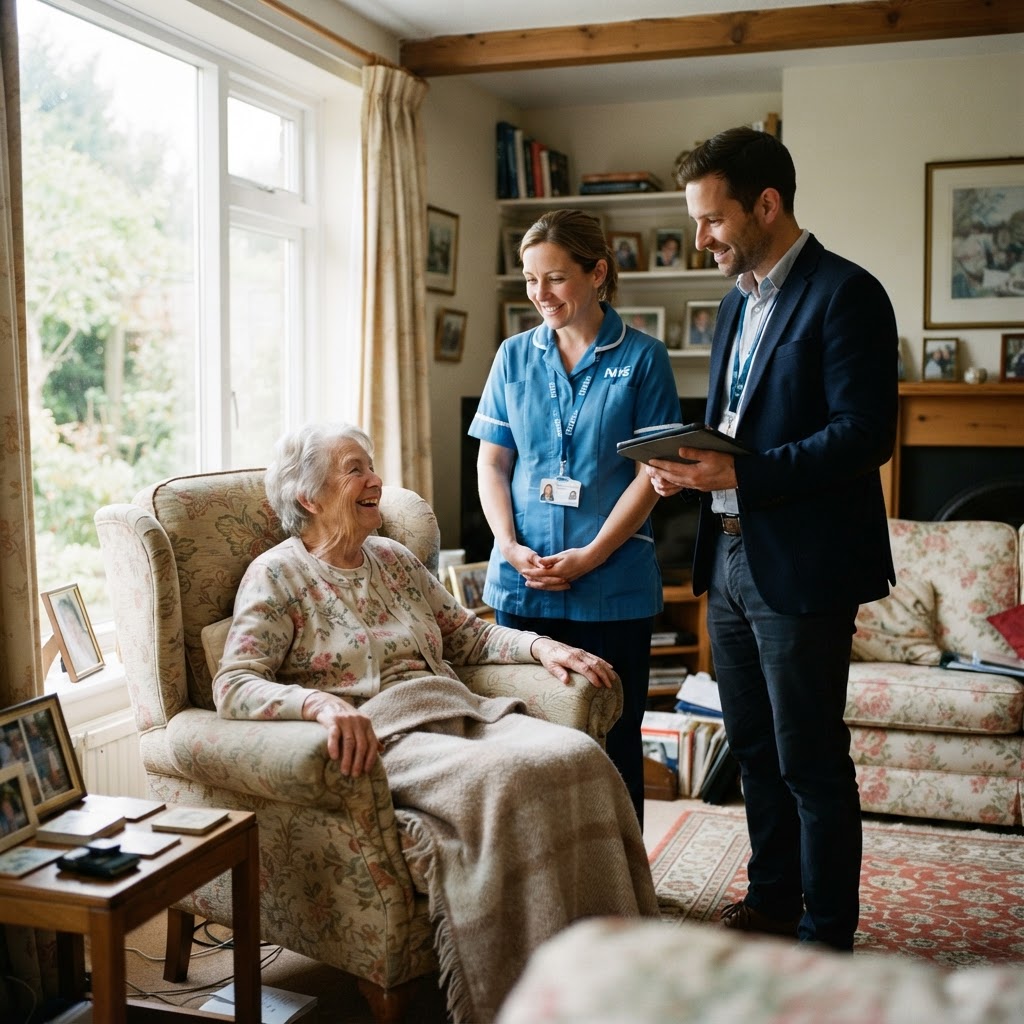
Health Secretary Yvette Cooper has announced an ambitious, integrated social care programme designed to keep the frail and elderly in their homes. By alleviating the historic burden on secondary care, the government hopes to generate over £1 billion in annual NHS savings.
The Shift Towards Home-Centred Care
In a long-anticipated move, the government has set a definitive timeline for the introduction of a new national care service aimed at the frail and elderly. With the sector currently facing unprecedented demographic pressures, Health and Social Care Secretary Yvette Cooper has declared that the programme will officially commence in April 2027. This initiative represents a departure from the reactive, hospital-centric model that has historically characterised Britain’s approach to social care, moving instead towards a proactive framework rooted in the patient’s own home.
Targeting Vulnerability at Scale
The scope of the project is significant. Officials confirmed that the initial phase of the rollout will focus on providing intensive support for 500,000 individuals, with ambitions to scale this to two million people in the subsequent three years. The core objective is to manage the complex health needs of the elderly outside of an acute hospital environment, thereby preventing the cycle of crisis that frequently leads to prolonged inpatient stays.
The Economic Argument for Reform
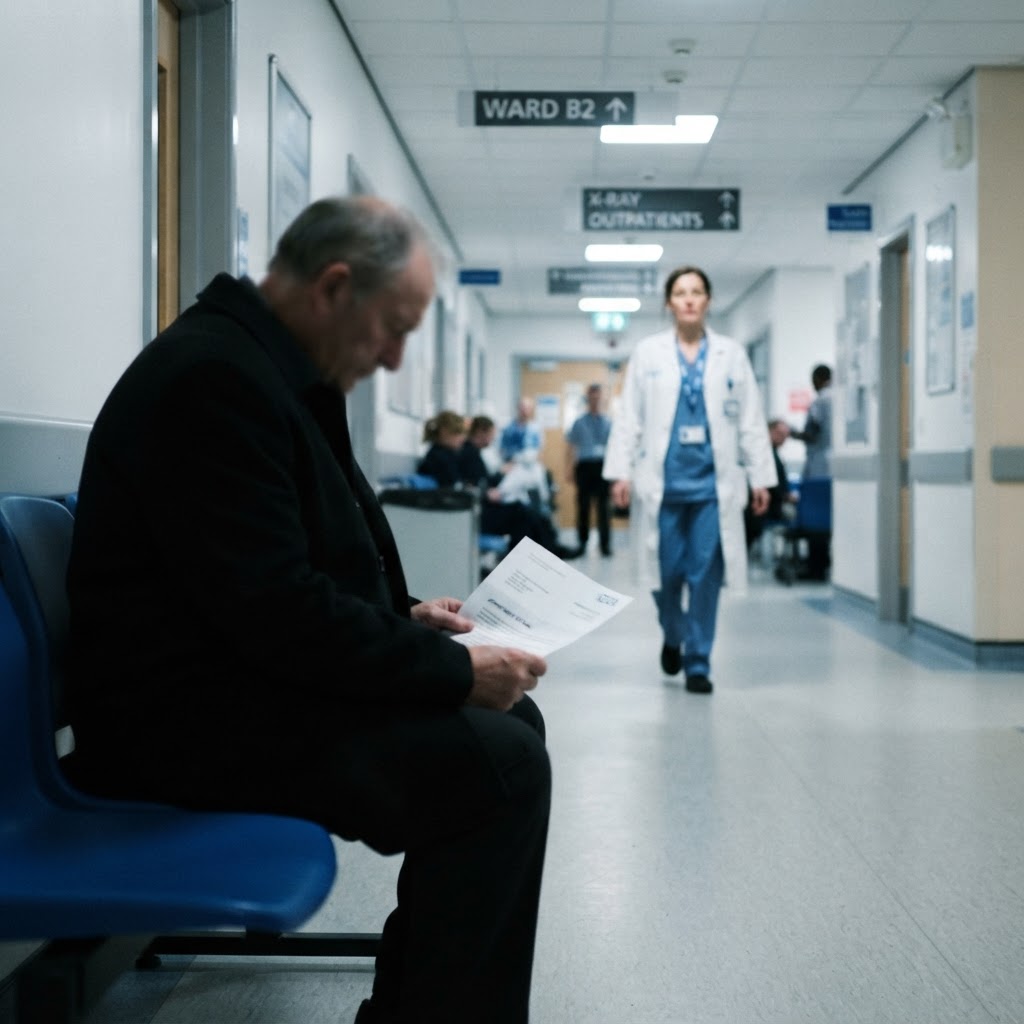
Economically, the stakes could not be higher. Preliminary data cited by the Department of Health suggests that the full implementation of this service could reduce emergency hospital bed-days by approximately four million each year. For a health service currently struggling with record waiting lists and winter pressures, this reduction is touted as a vital release valve. Furthermore, the government anticipates net savings to the NHS of more than £1 billion annually, derived from a decrease in avoidable admissions and a more efficient allocation of resources.
The Role of Integrated Care Boards
Execution of this mandate will fall under the purview of Integrated Care Boards (ICBs). These local bodies are to be tasked with the commissioning of the new care management services, a decision that has met with mixed reactions from sector observers. While proponents argue that local commissioning allows for care tailored to regional demographics, critics within the Local Government Association have expressed concerns regarding the capacity of ICBs to handle such an expansive remit without additional administrative funding.
Expert Perspectives
Policy analysts have broadly welcomed the emphasis on keeping the elderly independent for longer, though they remain cautious about the implementation phase. Professor Sarah Jenkins, a leading researcher in social care economics, noted that while the financial forecasts are robust on paper, the success of the service hinges entirely on the workforce. 'The challenge is not merely one of strategy but of personnel,' Jenkins remarked. 'Retaining high-quality carers within a system that has seen a decade of wage stagnation is the true litmus test for this government.'
Moving Forward
The 2027 start date allows for a period of rigorous consultation and pilot programmes, essential for avoiding the pitfalls of past reforms. As the UK faces an ageing population, the success of this programme will be viewed as the definitive measure of this administration's ability to navigate the intersection of social care and clinical medicine. Whether this framework provides the stability the sector so desperately craves remains to be seen, but the government’s commitment to a structural shift in how we care for the vulnerable is now firmly on the record.