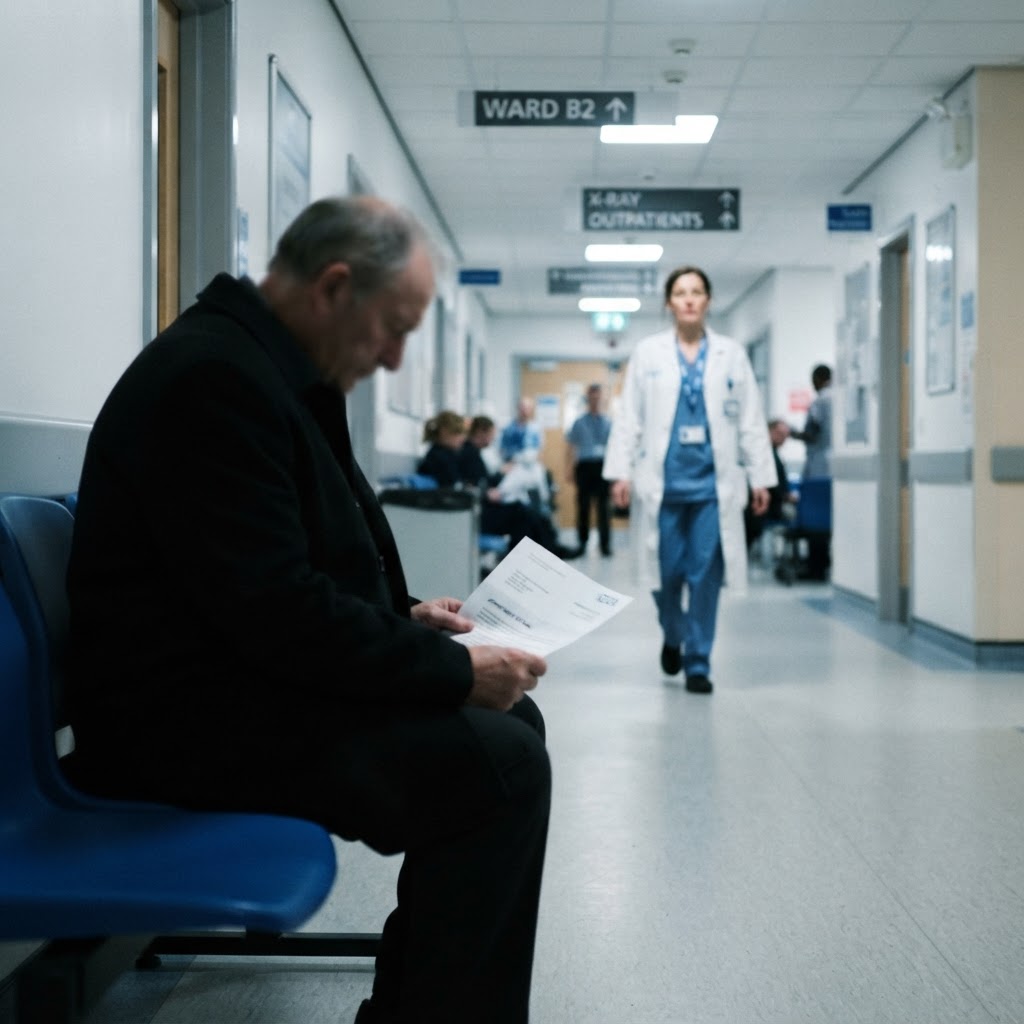
An investigation is underway at a leading hospital trust following revelations that hundreds of cancer patients may have received substandard care. Health officials are now grappling with the fallout as they attempt to contact those potentially harmed by systemic clinical lapses.
A System Under Scrutiny
The National Health Service is facing a fresh crisis this week after an unnamed trust disclosed that the chemotherapy treatments of hundreds of patients may have been compromised by systemic clinical failures. The warning, issued on 18 November 2026, marks the beginning of what is expected to be a protracted and difficult period of accountability for hospital administrators and clinical leads. While the specifics of the procedural errors remain under investigation, the trust has acknowledged that the departures from standard oncology protocols were significant enough to warrant a formal, trust-wide review of its cancer care services.
The Scale of the Failure
Patients currently receiving or having recently completed chemotherapy are at the centre of this emergency audit. Hospital sources suggest the errors primarily involve the administration of dosages and the adherence to critical safety intervals between treatments, which are essential for maintaining patient stability. For individuals battling malignancy, the precision of such pharmacological intervention is not merely a clinical preference but a life-saving necessity. The revelation that these protocols may have been breached has sent shockwaves through the local community, with many families expressing profound distress as they await confirmation of their specific status.
Clinical Governance and Patient Safety
Medical experts have long argued that the pressures exerted on oncology departments across the United Kingdom are reaching a breaking point. Professor Julian Thorne, a specialist in health policy and clinical governance, noted that such incidents often highlight the fraying edges of an overstretched system. When clinical oversight becomes fragmented due to staffing shortages or administrative oversights, the margin for error narrows alarmingly. The trust is now working in tandem with the Care Quality Commission to map the timeline of these procedural lapses and determine how they went undetected for an extended duration.
Next Steps for Affected Patients
The trust has initiated a dedicated helpline for those concerned about their treatment plans, acknowledging that the uncertainty is exacerbating an already traumatic experience for cancer patients. Legal representatives have already begun to field inquiries from families seeking clarity on whether these errors represent a breach of the duty of care. For the NHS, the challenge is now one of transparency. As the trust navigates the complex task of identifying each affected individual, the wider health service must grapple with the question of whether this incident is an isolated failure or a symptom of a broader decline in rigorous clinical oversight during a period of intense budgetary and operational strain.