National Post UK
Cost of Living Squeeze Intensifies as Inflation Hits Annual Peak

The UK inflation rate has climbed to 3.6 per cent, marking a twelve-month high. The surge in fuel costs places renewed p

The National Post

HomeBusiness
Business

Cost of Living Squeeze Intensifies as Inflation Hits Annual Peak

The UK inflation rate has climbed to 3.6 per cent, marking a twelve-month high. The surge in fuel costs places renewed pressure on both the Treasury and household budgets as winter approaches.

OG

Oliver Grant

Business Editor

Published 19 November 2026·about 1 hour ago 3 min read
Text
Share

The Return of Upward Momentum The latest figures from the Office for National Statistics reveal that the Consumer Prices Index (CPI) climbed to 3.6 per cent in the year to November 2026. This escalation represents the most significant spike in the cost of living seen in the past year, shattering hopes that inflationary pressures had firmly entrenched themselves in a downward trajectory. For the British consumer, the headline figure is a stark reminder that the macroeconomic stability many had hoped for remains fragile.

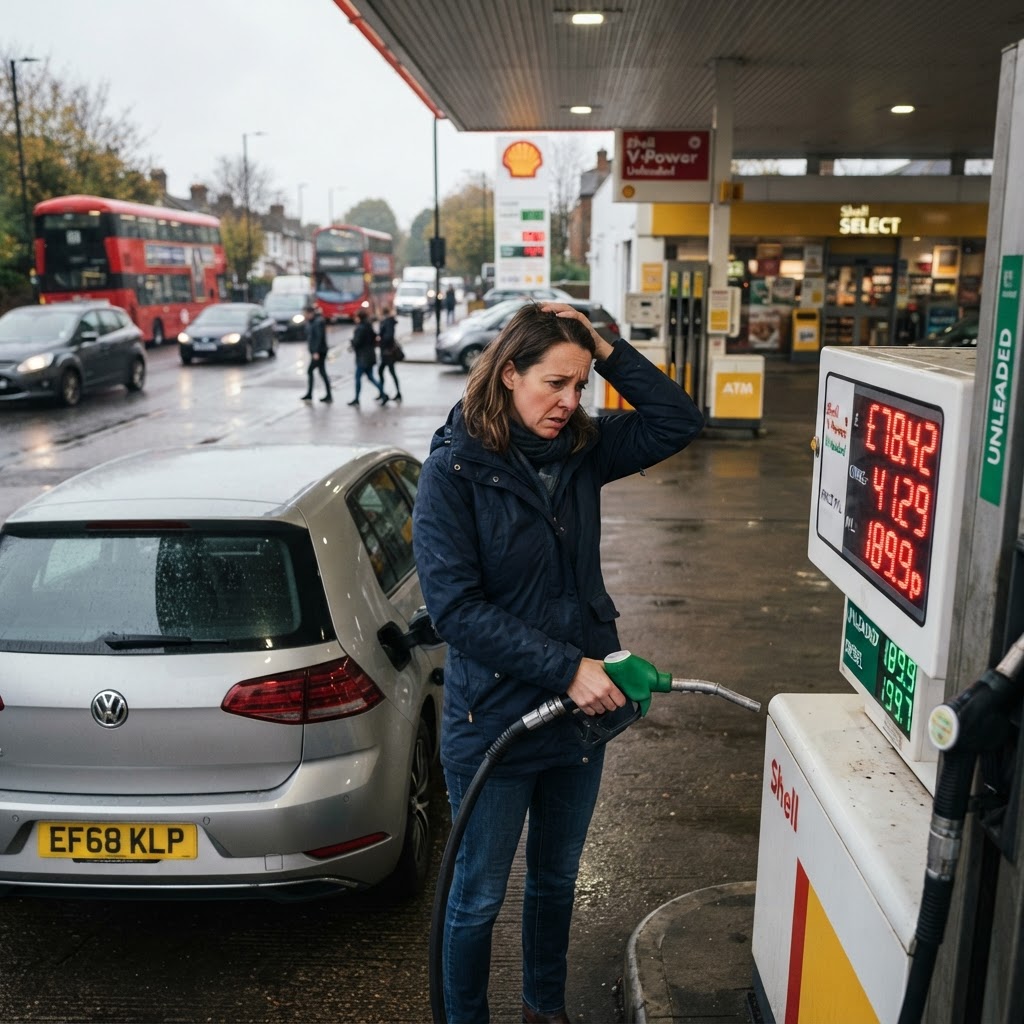
The Fuel Price Catalyst Analysis of the data indicates that the primary driver behind this latest uptick is the volatile cost of automotive fuel. Petrol and diesel prices at the pumps have trended sharply upwards throughout the autumn, reflecting renewed global volatility in the crude oil markets and the persistent influence of the pound’s exchange rate against the dollar. Whilst core inflation—which excludes the volatile components of food and energy—remains a subject of intense scrutiny, it is the visible and immediate cost of travel that is dominating the discourse among economists and shoppers alike.

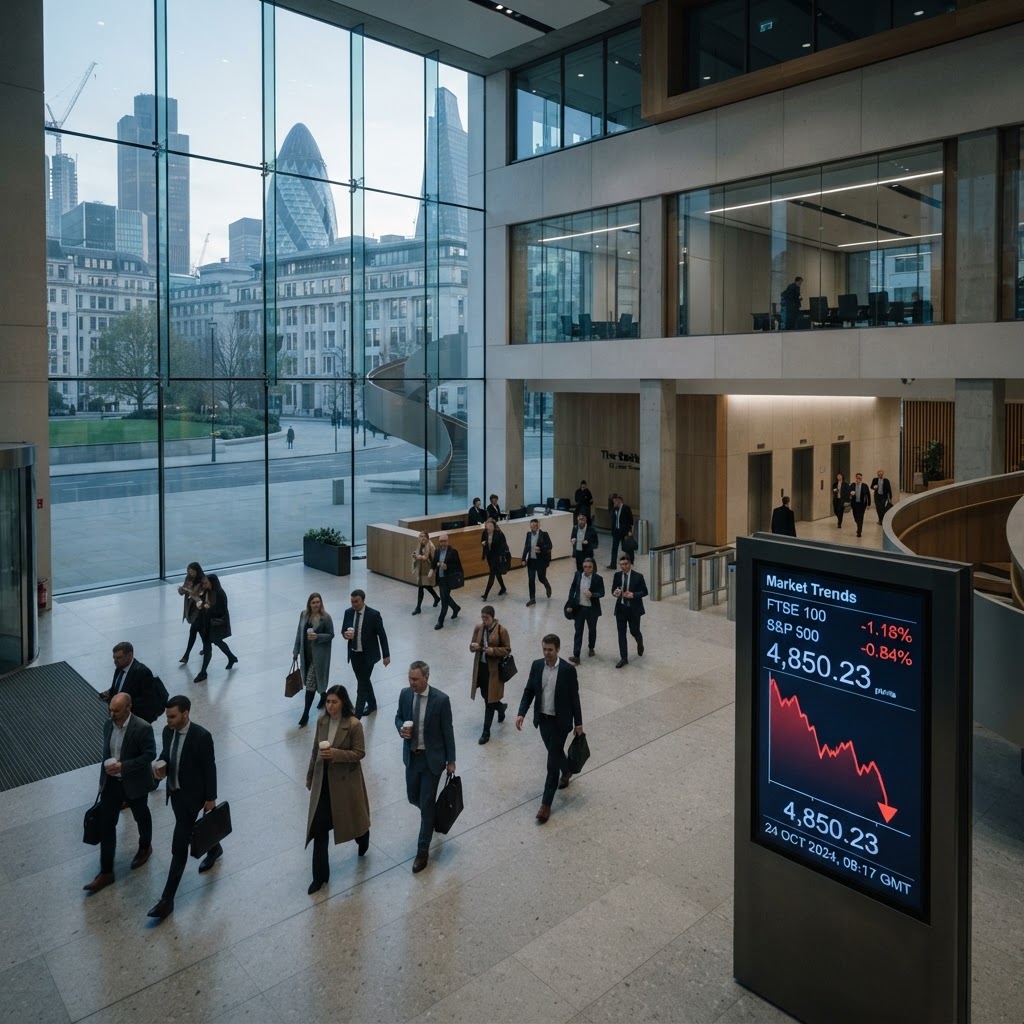
Fiscal and Monetary Implications The news arrived on the morning of November 18, 2026, catching financial markets somewhat off guard and prompting an immediate recalibration of expectations regarding the Bank of England’s interest rate policy. With inflation now sitting comfortably above the target mandated by the Treasury, Governor Bailey and the Monetary Policy Committee find themselves in an increasingly precarious position. Holding rates steady might be seen as failing to combat rising prices, whilst a further hike risks throttling an already sluggish period of economic growth.

Expert Perspectives Economists have been quick to highlight the nuance within the broader data set. Whilst energy costs are the visible culprit, there is growing concern regarding service-sector inflation, which remains stubbornly high due to wage growth pressures. 'We are witnessing a two-tier inflationary challenge,' remarked Dr Alistair Vance, a senior economist at the City Centre for Economic Research. 'One layer is the imported shock of energy prices, which is largely beyond the control of domestic policy. The second, and perhaps more dangerous layer, is the internal pressure created by persistent high service costs that are becoming baked into the economy.'

Navigating the Winter Outlook For the average household, the implications are immediate. The disposable income of millions is being curtailed just as the colder months set in, with household budgets being diverted to cover transport costs at the expense of non-essential spending. Retailers are already reporting cautious consumer behaviour, with many worried that the traditional Christmas spending peak may be severely muted this year. The Chancellor of the Exchequer will now face renewed demands for targeted support, though the Treasury has remained characteristically reticent regarding further fiscal intervention, citing the need for strict adherence to deficit reduction targets.

A Long Road Ahead As the country grapples with this latest economic headwind, the consensus is that inflation will remain a dominant political and financial theme for the foreseeable future. The expectation that the UK could see a rapid return to sub-two per cent inflation has been deferred, forcing both businesses and households to adopt a more defensive stance. Whether this spike proves to be a temporary aberration or the start of a more sustained period of fiscal turbulence will depend on global energy markets and the agility of the Bank of England in the coming quarter.

TopicsEconomyInflationUK BusinessBank of EnglandFuel Prices
Share

About the Author

OG

Oliver Grant

Business Editor

Oliver Grant reports for National Post UK with a focus on rigorous analysis and authoritative journalism — a trusted voice across British public life.

Reader Discussion · 9

Subscribers can join the conversation.

SUBSCRIBE TO COMMENT →
J
Julian Foster19 Nov

This was entirely predictable given the current interest rate environment and fiscal policy. Until we get a handle on the underlying debt, we should expect these fluctuations to continue for the foreseeable future.

E
Elizabeth Clarke19 Nov

We are having to cut back on all non-essentials just to keep the heating on this winter. It is a very worrying trend for those of us on fixed incomes.

M
Michael Roberts19 Nov

I am not convinced that these figures tell the whole story. Real-world inflation for essentials like energy and basic groceries feels significantly higher than the official statistics suggest.

S
Sarah Jenkins19 Nov

While inflation is certainly a concern, we have to look at the global supply chain pressures that are still lingering. It is not just a domestic issue, though the government needs to provide more clarity on their strategy.

D
David Thompson19 Nov

It is getting harder to justify the weekly shop these days when prices seem to rise every time I walk through the door. Something has to give soon, as most families I know are already at their breaking point.

F
Fiona Campbell19 Nov

This is a worrying trend for those of us on fixed incomes. I have already had to cut back on heating and essentials just to ensure I can cover the monthly bills.

M
Marcus Elliot19 Nov

I am not convinced the official CPI figures truly reflect what the average household is experiencing. The price of essential energy and fuel seems to be rising much faster than the basket of goods suggests.

S
Sarah Jenkins19 Nov

While the headline figure is concerning, we have to consider the global supply chain pressures that are currently out of the government's direct control. It is a difficult balancing act for the Treasury right now.

D
David Thorne19 Nov

It feels like we are back to square one with these prices. My weekly shop has gone up by nearly twenty pounds compared to last autumn and my wages certainly haven't kept pace.

More from Business

Most Read in Business

Morning Briefing

The day's top stories, before 7am

Join 40,000 readers who start their morning with National Post UK.