National Post UK
Digital Paralysis: Microsoft Systems Failure Cripples Essential Public Services Across Britain

A widespread outage affecting core Microsoft infrastructure has forced GP surgeries and police departments to revert to

The National Post

HomeTechnology
Technology

Digital Paralysis: Microsoft Systems Failure Cripples Essential Public Services Across Britain

A widespread outage affecting core Microsoft infrastructure has forced GP surgeries and police departments to revert to manual contingency plans. Technology experts warn that the incident highlights an alarming fragility in the state's reliance on centralised software suites.

PS

Priya Sharma

Technology Editor

Published 15 November 2026·about 8 hours ago 3 min read
Text
Share

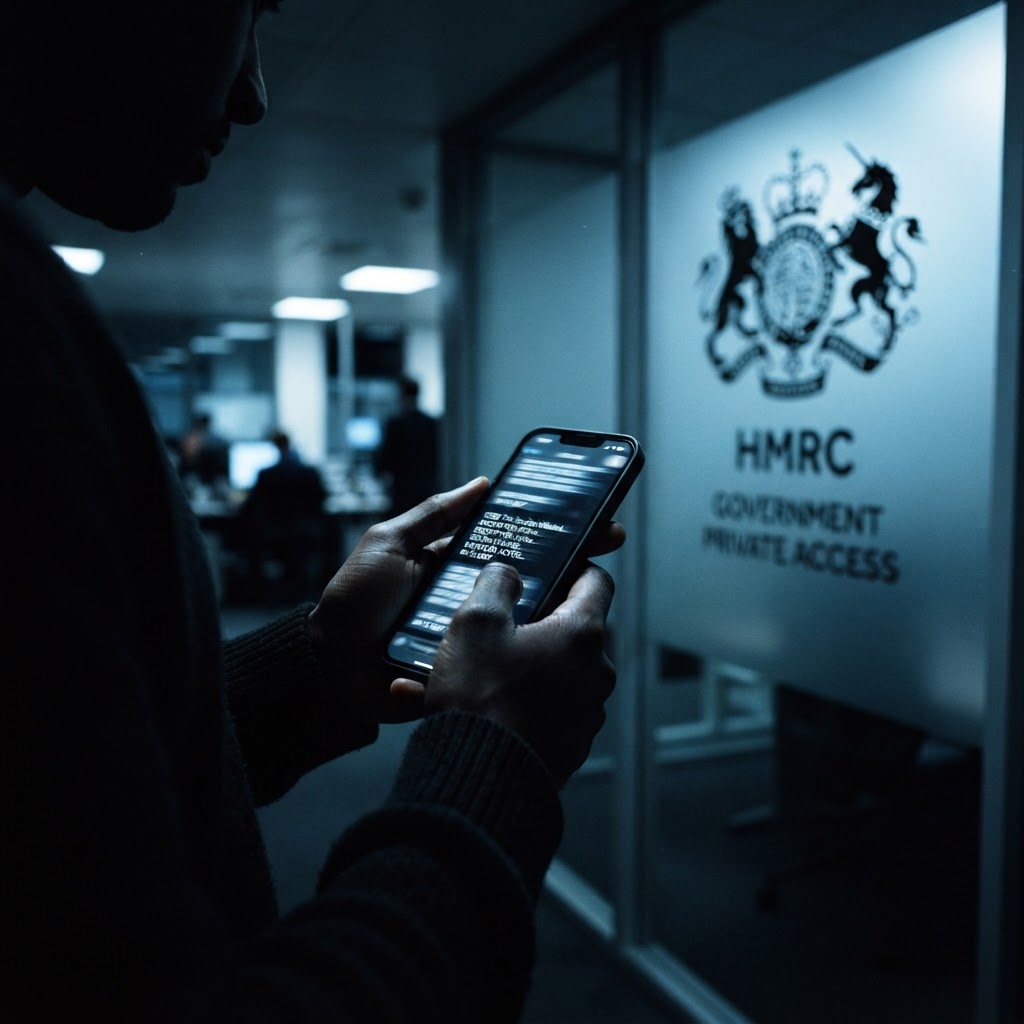
The Anatomy of the Blackout The morning of 13 November 2026 will be remembered as a day of profound digital reckoning for the United Kingdom. Across the nation, public sector workers arrived at their desks to find that the invisible architecture underpinning their operations had simply vanished. By mid-morning, it was confirmed that a critical failure within Microsoft’s cloud ecosystem had rendered essential tools, including Outlook, Teams, and the integrated Copilot AI suite, entirely unresponsive. The outage did not merely delay administrative tasks; it effectively severed the connective tissue of some of the country’s most sensitive operations.

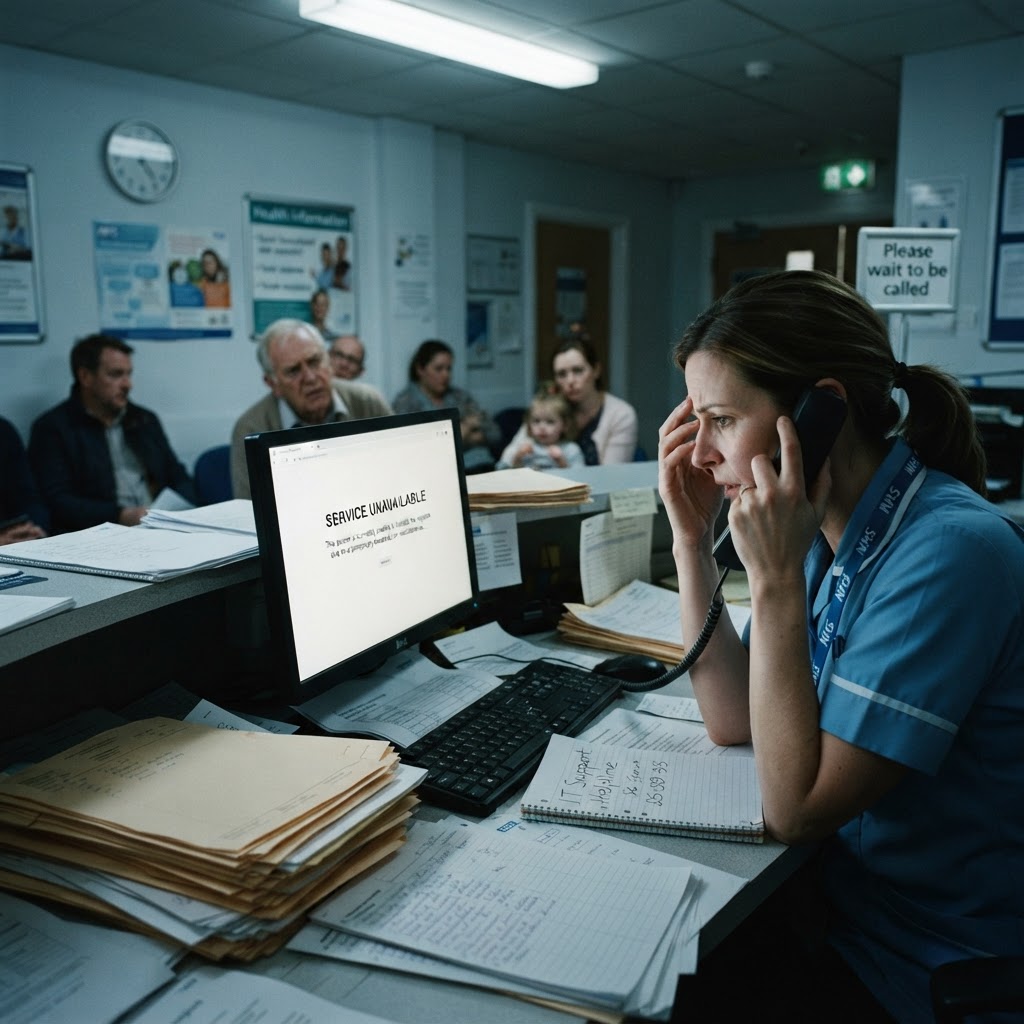
Healthcare and Law Enforcement Under Pressure The impact was felt most acutely in the healthcare sector. NHS trusts reported that the unavailability of internal communication platforms prevented GPs from accessing patient records and coordinating pharmacy prescriptions. In many instances, clinical staff were forced to resort to paper-based systems, a regression that inevitably resulted in delayed care and increased pressure on front-line staff. Furthermore, police operations have not been spared. Critical communication channels used by regional forces to manage incident response were compromised, necessitating a rapid transition to secure analogue protocols. While authorities have confirmed that emergency 999 response capabilities remain functional, the efficiency of administrative policing has been significantly degraded.

Official Scrutiny Dame Chi Onwurah, Chair of the Science and Technology Committee, has issued a statement reflecting the growing anxiety within Westminster regarding the nation's digital resilience. Speaking on the matter, she noted that the fragility of these dependencies is a matter of national security rather than mere technical inconvenience. She stressed that the government must urgently re-evaluate the risk associated with relying upon a monolithic software provider for the delivery of essential state services. The incident has reignited the debate over digital sovereignty and the necessity of maintaining robust, diverse infrastructure that can withstand the collapse of any single provider.

The Long Shadow of Centralisation Industry analysts have long warned that the rapid digitalisation of the British public sector, while offering undeniable efficiencies in the short term, has created a series of systemic bottlenecks. By concentrating sensitive government data and operational workflows within a singular, proprietary ecosystem, the state has inadvertently created a 'single point of failure' that can be exploited by technical glitches or malicious actors alike. As the recovery process continues, the focus will undoubtedly shift toward establishing a more distributed and resilient digital architecture. The coming weeks will likely see an inquiry into why contingency protocols for such an eventuality were, in many sectors, found to be insufficient to the scale of the challenge presented.

TopicsMicrosoftTechnologyUK Public ServicesCybersecurityDame Chi OnwurahDigital Infrastructure
Share

About the Author

PS

Priya Sharma

Technology Editor

Priya Sharma reports for National Post UK with a focus on rigorous analysis and authoritative journalism — a trusted voice across British public life.

Reader Discussion · 4

Subscribers can join the conversation.

SUBSCRIBE TO COMMENT →
E
Eleanor Rigby15 Nov

I am not surprised at all by this news, as any IT professional knows that relying on a single vendor creates a single point of failure. It is time we invested in diverse, open-source alternatives that allow for local, offline operation.

D
David Thorne15 Nov

While this is clearly a disaster, we should remember that migration to cloud systems was forced upon departments to save costs during the last decade. You get what you pay for when you outsource core digital foundations to the cheapest bidder.

S
Sarah Jenkins15 Nov

I spent three hours at the GP surgery this morning only to be told they could not even access my repeat prescription records. This level of fragility in our public services is simply unacceptable in this day and age.

A
Arthur Penhaligon15 Nov

It is absolutely farcical that we have allowed our national infrastructure to become so dependent on a single provider. We need a proper audit of how much critical public data is tied up in these closed systems.

More from Technology

Most Read in Technology

Morning Briefing

The day's top stories, before 7am

Join 40,000 readers who start their morning with National Post UK.