
The Challenge of Persistent Price Pressures The Bank of England is signalling that the era of monetary tightening is far from concluded, as the central bank grapples with the stubbornly high costs impacting British households. Huw Pill, the Bank’s chief economist, has delivered a sobering assessment regarding the trajectory of interest rates, warning that further increases may be required well into 2027 to ensure inflation does not become embedded in the wider economy.
Speaking at a City briefing, Mr Pill emphasised that while the recent decision to elevate the base rate from 3.75 per cent to 4 per cent was a necessary step, it should not be viewed as the terminal point of the current cycle. The Bank remains laser-focused on its primary mandate: the two per cent inflation target. However, current data suggests that the return to this target will be an arduous process, complicated by volatile energy markets and the persistent nature of wage-price dynamics.
Energy Costs and the Inflationary Outlook The urgency behind Mr Pill’s comments stems from the latest projections indicating that consumer-price growth is set to climb to 3.6 per cent in forthcoming data releases. This represents a one-year high, catching many analysts off guard. The inflationary impulse is being driven by a confluence of factors, not least of which are the rising costs of motor fuel and the lingering, elevated burden of household energy bills, which continue to act as a significant drag on disposable income.
Economists have noted that the persistence of these costs makes the Monetary Policy Committee's (MPC) task increasingly difficult. Unlike supply-side shocks that typically dissipate, these pressures have shown a tendency to feed through into core inflation, forcing the Bank to maintain a restrictive policy stance for longer than previously anticipated by the financial markets.
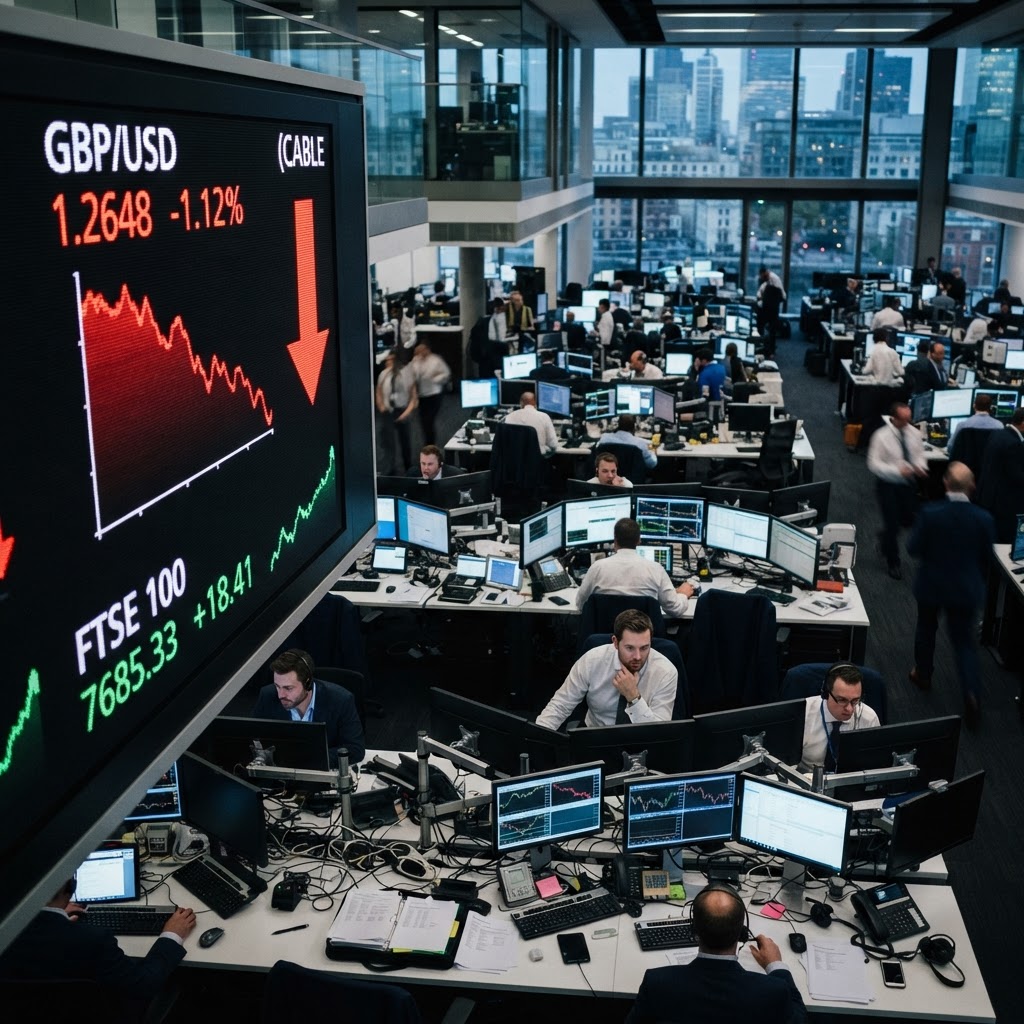
Market Expectations and Future Tightening Financial markets have responded to Mr Pill’s hawkish tone by pricing in a higher probability of further tightening throughout the coming months. Investors are adjusting their portfolios to account for a central bank that appears willing to prioritise long-term price stability over short-term growth considerations. There is a palpable shift in sentiment, with traders now factoring in multiple hikes as the MPC seeks to dampen demand-side pressures exacerbated by global geopolitical instability.
However, the balancing act remains precarious. Critics of further rate hikes argue that the Bank of England risks over-tightening, potentially stifling the fragile recovery of the UK economy. There is genuine concern within business circles that higher borrowing costs will hinder capital expenditure and dampen consumer confidence just as the nation seeks to navigate the post-pandemic landscape. Despite these concerns, the prevailing view among the Bank’s leadership is that the risk of allowing inflation to spiral out of control far outweighs the temporary discomfort caused by higher debt-servicing costs.
“The Bank remains laser-focused on its primary mandate, ensuring that inflation does not become embedded in the wider economy, regardless of the temporary discomfort caused by higher borrowing costs.”
The Long Road to Stability Looking ahead, the strategy for 2027 remains contingent on the incoming flow of data. Mr Pill’s message is clear: the Bank is prepared to act with resolve. The persistence of core inflation remains the primary metric that will dictate the pace and magnitude of future movements. As the MPC deliberates, it must contend with a labour market that remains relatively tight, adding pressure to wage negotiations that could keep inflation at elevated levels.
Ultimately, the Bank of England is determined to demonstrate that it will not waver in its commitment to the inflation target. Whether this approach succeeds in tempering expectations without triggering a contraction remains the defining economic question for the months to come. For households and businesses, the path forward appears increasingly defined by the necessity of high interest rates as the new, challenging status quo.