Threadneedle Street signals policy hiatus as inflation pressures mount
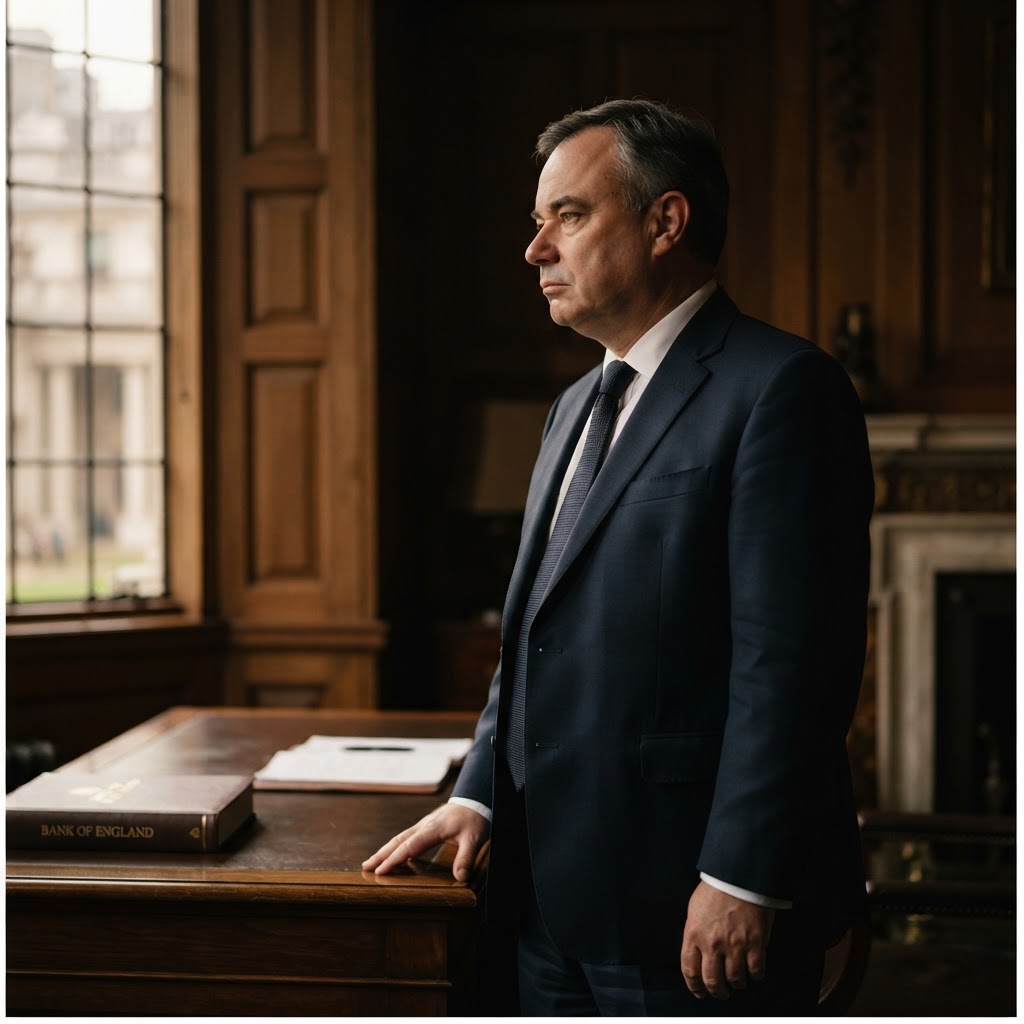
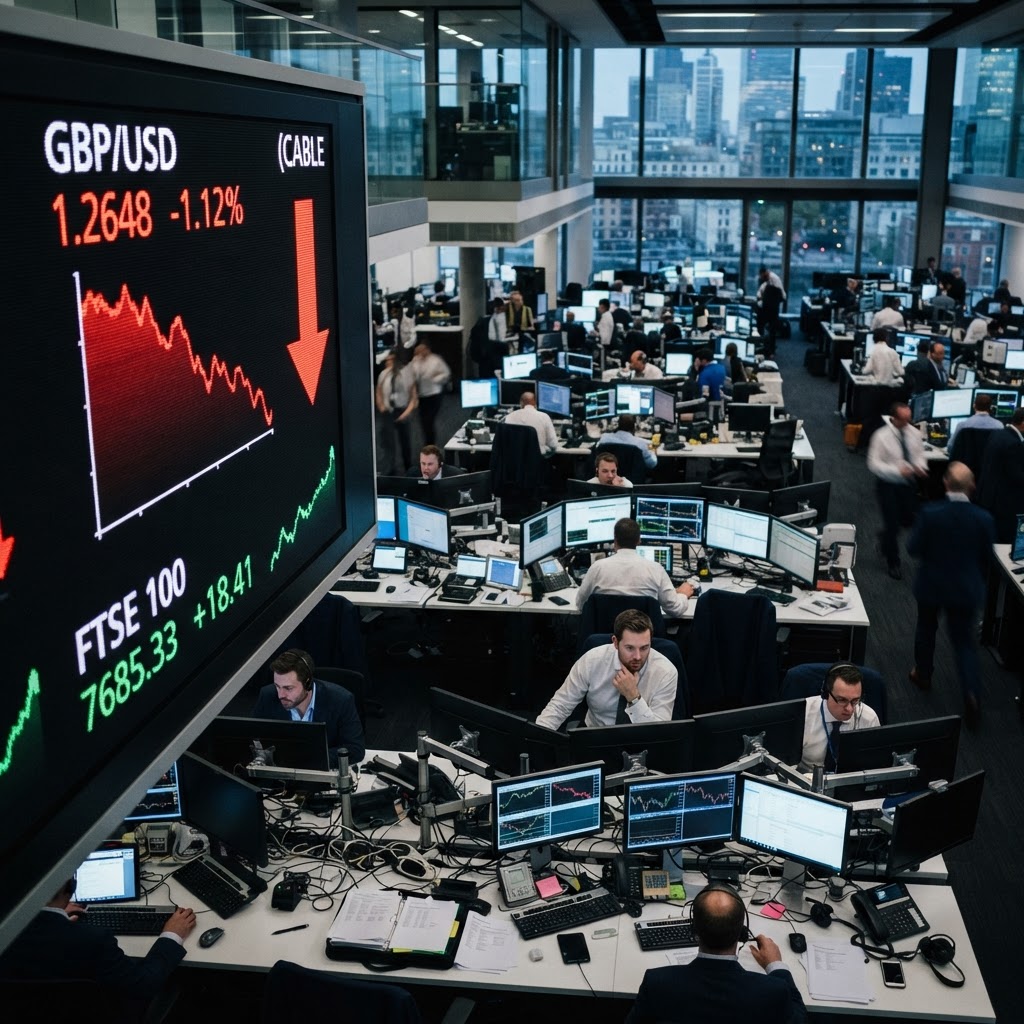
As the Bank of England holds rates steady at 4 per cent, markets are betting on a protracted period of stability. Analysts suggest the Monetary Policy Committee will wait until early 2027 to decide on the next phase of its tightening cycle.
AP
Alice Pemberton
Finance Correspondent
Published 14 November 2026·about 4 hours ago 3 min read
Text
TopicsBank of EnglandInterest RatesUK EconomyFTSE 100InflationMonetary Policy Committee
About the Author
AP
Alice Pemberton
Finance Correspondent
Alice Pemberton reports for National Post UK with a focus on rigorous analysis and authoritative journalism — a trusted voice across British public life.
Reader Discussion · 6
Subscribers can join the conversation.
SUBSCRIBE TO COMMENT →J
James Sterling14 Nov
The market has already priced this in, so I am not sure why there is so much surprise. Stability is what businesses need right now, regardless of whether the rate is perfect or not.
M
Marcus Vane14 Nov
Inflation is still far too high for them to be getting comfortable. If they stop now, we risk a wage-price spiral that will be much harder to extinguish later in the year.
E
Eleanor Rigby14 Nov
As a pensioner living on a fixed income, I have been waiting for interest rates to actually provide a decent return on my modest savings. This hiatus feels like a kick in the teeth.
D
David Thorne14 Nov
I suspect the MPC is worried about a recession if they push much harder. It is a very fine balancing act between controlling inflation and choking off any remaining economic growth.
S
Sarah Jenkins14 Nov
Strategic reflection seems like a posh way of saying they have run out of ideas. Meanwhile, my weekly food shop is still rising and the cost of living remains a nightmare for my family.
A
Arthur Penhaligon14 Nov
Holding steady at 4 per cent is the sensible play. We need to let the previous hikes bed in before we start punishing mortgage holders any further.