National Post UK
Bracing for the Chill: UKHSA Deploys First Winter Alert as Temperatures Plunge

As mercury levels drop across the North West and West Midlands, health authorities have initiated the season's first for

The National Post

HomeHealth & Wellbeing
Health & Wellbeing

Bracing for the Chill: UKHSA Deploys First Winter Alert as Temperatures Plunge

As mercury levels drop across the North West and West Midlands, health authorities have initiated the season's first formal cold-weather warnings. The yellow alert underscores the mounting pressure on the NHS as experts urge the vulnerable to exercise extreme caution.

AF

Andrew Fletcher

Health Correspondent

Published 12 November 2026·about 7 hours ago 3 min read
Text
Share

A Sharp Turn in the Season The transition into winter has arrived with a stark reminder of the meteorological challenges awaiting the country, as the UK Health Security Agency (UKHSA) issued its inaugural yellow cold-health alert for the 2026/27 season this morning. The notification, which came into effect at 9am today, specifically targets the North West and West Midlands regions, marking a proactive shift in the government’s approach to seasonal health management. The alert is scheduled to remain in place until midday on Saturday, 14 November.

The Mechanics of Protection The Weather Health Alerting system, a collaborative framework between the UKHSA and the Met Office, is designed to serve as an early-warning mechanism. By identifying periods when temperatures are likely to drop below critical thresholds, the agency aims to mitigate the surge in hospital admissions that typically accompanies the arrival of sustained frost and plummeting mercury. For the affected regions, this means local health trusts, social care providers, and community outreach teams are now operating under heightened vigilance to support those identified as clinically vulnerable, including the elderly and those with pre-existing respiratory or cardiovascular conditions.

Public Health Implications Health officials have emphasised that this initial alert is as much about public awareness as it is about clinical preparation. As heating costs remain a significant concern for households across the UK, the combination of economic pressure and meteorological cooling presents a multifaceted challenge. Dr. Alistair Sterling, a consultant in public health medicine, noted that the human body reacts to cold stress long before the first snowflake settles. The physiological strain of maintaining core body temperature can exacerbate chronic illnesses, placing an immediate, tangible burden on primary care services.

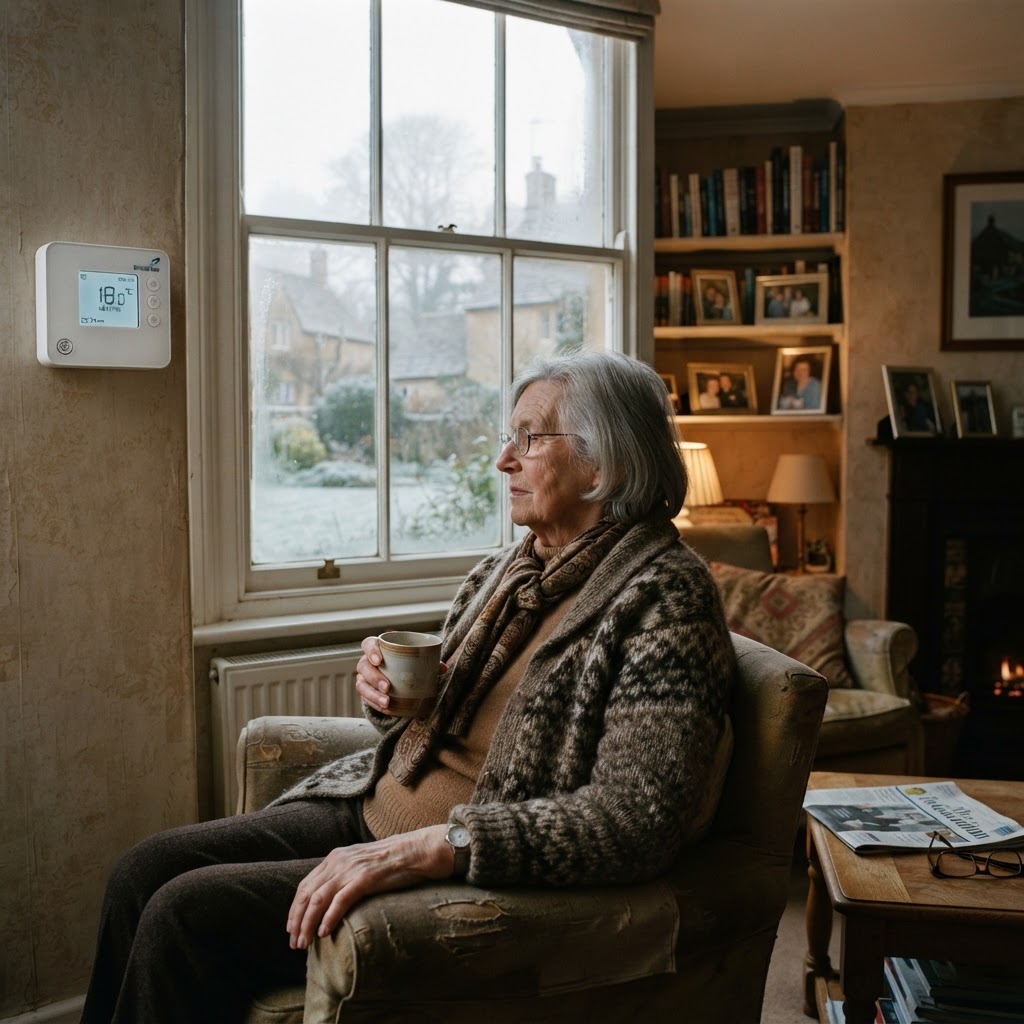
Expert Guidance The UKHSA advises residents within the alert zone to ensure their homes remain heated to at least 18 degrees Celsius, where possible, and to prioritise keeping living areas warm. Furthermore, there is a renewed emphasis on the importance of seasonal immunisations. With influenza and other respiratory viruses beginning to circulate, the intersection of cold weather and reduced immune resilience is a primary concern for the health service. The strategy relies on early identification of risks to prevent the cascade of admissions that often overwhelms emergency departments by late December.

A Broader Seasonal Outlook While the current yellow alert is geographically confined, meteorologists suggest this may be the first in a series of similar notifications as the UK experiences a particularly unstable atmospheric pattern this November. Infrastructure and transport operators have been briefed to remain alert for icing on key transit routes, particularly across the Pennine corridor and the rolling terrain of the West Midlands. For the average citizen, the message remains clear: the winter season has officially commenced, and the standard of care for one’s own health must be adjusted to account for the encroaching cold.

Looking Ahead As the government monitors data from the affected regions, officials will decide by Saturday afternoon whether the alert requires an extension or expansion. For now, the focus is on maintaining local support networks and ensuring that those who are most susceptible to the sudden drop in temperature are adequately shielded from the effects of the mid-November chill.

TopicsUKHSACold Weather AlertHealth NewsWinter 2026NHSWeather Forecast
Share

About the Author

AF

Andrew Fletcher

Health Correspondent

Andrew Fletcher reports for National Post UK with a focus on rigorous analysis and authoritative journalism — a trusted voice across British public life.

Reader Discussion · 6

Subscribers can join the conversation.

SUBSCRIBE TO COMMENT →
R
Robert Hughes12 Nov

Does anyone remember a time when we just called this November weather? Everything seems to need an official warning attached to it these days.

F
Fiona Campbell12 Nov

I work in the local surgery and we see a massive spike in respiratory issues the moment these cold snaps hit. Please everyone, look after yourselves and make sure you are up to date with your flu jabs.

A
Alan Pritchard12 Nov

Energy bills are already extortionate, so another alert like this just adds to the stress for many families. We really need more support for insulation schemes rather than just warnings about the temperature.

S
Sarah Jenkins12 Nov

These alerts are actually quite helpful for those of us with elderly relatives. It serves as a good reminder to check in on the neighbours and ensure they have enough fuel to keep the house warm.

D
David Miller12 Nov

Typical panic stations from the authorities as soon as it gets a bit chilly. We live in the UK, winter is meant to be cold, and we should be well-prepared for it by now.

M
Margaret Thompson12 Nov

It feels far too early for this to be happening. I have already had to turn the heating on in the mornings because the dampness is getting into my joints.

More from Health & Wellbeing

Most Read in Health & Wellbeing

Morning Briefing

The day's top stories, before 7am

Join 40,000 readers who start their morning with National Post UK.