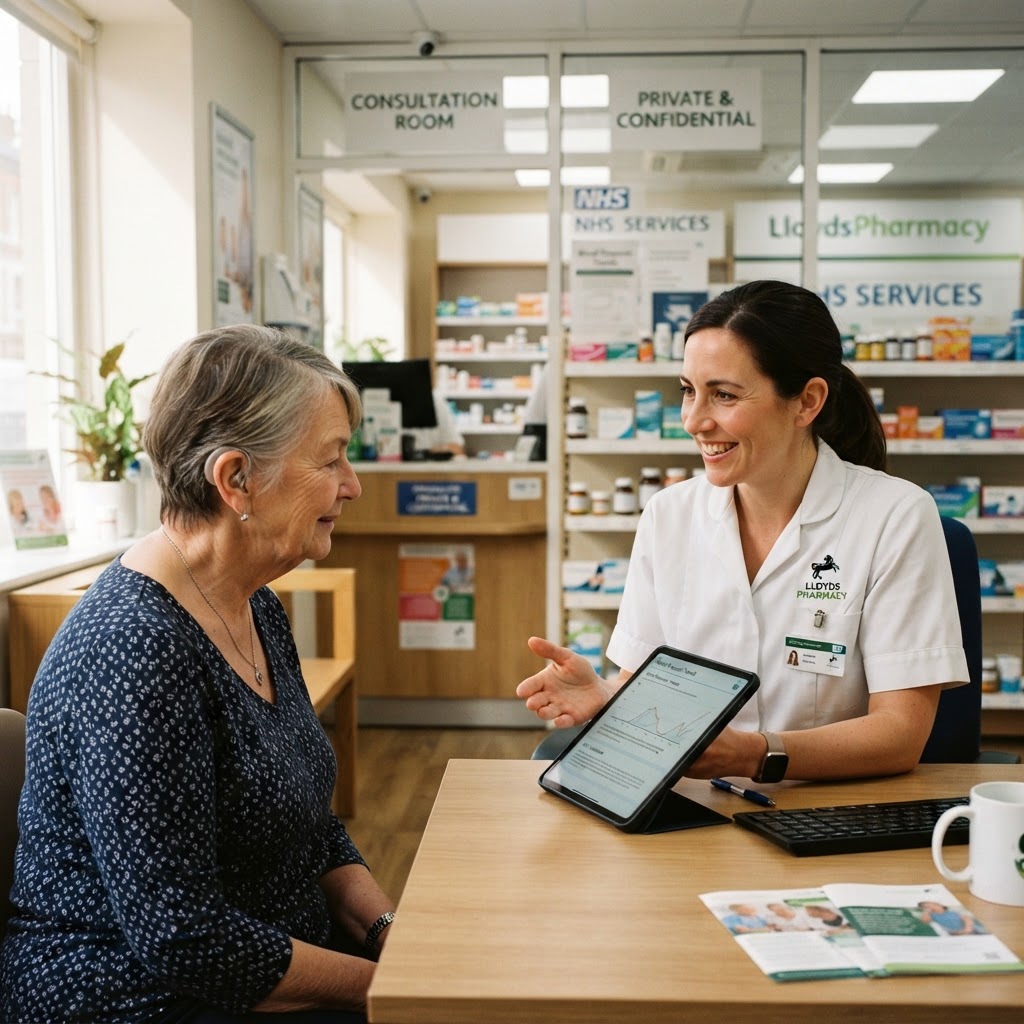
A Strategic Shift in Primary Care For decades, the image of the local pharmacy has remained largely static: a place to hand over a paper prescription, collect a box of tablets, and depart. However, as the National Health Service grapples with the perennial challenge of winter capacity, that perception is undergoing a rapid, necessary evolution. NHS North West has this week launched a concerted effort to encourage patients to view their local pharmacists not merely as dispensers of medication, but as highly trained clinical professionals capable of diagnosing and treating a wide array of common ailments.
The initiative, which coincides with the national observance of 'Ask Your Pharmacist Week' beginning 2 November 2026, marks a pivotal moment in the integration of community pharmacy into the wider NHS landscape. As GPs face unprecedented demand, the health service is increasingly looking to the 'Pharmacy First' model to alleviate pressure on surgery appointments and urgent care centres.
The Clinical Capability Gap The core of this campaign lies in addressing a persistent information gap. Many patients remain unaware that modern pharmacists undertake rigorous clinical training, enabling them to provide expert advice on conditions that might otherwise result in a visit to a GP. From minor respiratory infections and skin conditions to sinusitis and earaches, the expertise available behind the counter has expanded significantly.
"The role of the pharmacist has shifted fundamentally," explains Andrew Fletcher, Health Correspondent. "They are no longer just the gatekeepers of pharmaceutical supply; they are now clinicians in their own right, empowered to manage patient pathways in a way that provides immediate access to healthcare in the heart of our communities." By utilising these services, patients can bypass the bureaucratic hurdles often associated with booking primary care appointments, receiving professional guidance in a more accessible setting.
Managing Winter Pressures As the mercury drops and the seasonal onset of influenza and other respiratory viruses looms, the resilience of the health service becomes a matter of national concern. Hospital trusts in the North West are preparing for a difficult winter, with bed occupancy levels already testing the limits of local infrastructure. Shifting minor ailments away from the primary care pipeline is not merely a matter of convenience; it is a vital component of the broader NHS strategy to preserve capacity for more complex clinical cases.
By directing the public towards pharmacies for common health issues, the NHS hopes to ensure that GP surgeries and emergency departments remain focused on patients with chronic, complex, or life-threatening needs. This approach reflects a wider transition towards a multi-disciplinary primary care network where tasks are distributed according to the appropriate clinical skill set.
“The role of the pharmacist has shifted fundamentally; they are no longer just the gatekeepers of pharmaceutical supply, but clinicians in their own right, empowered to manage patient pathways in the heart of our communities.”
Empowering the Public Despite the potential benefits, the challenge remains one of habit. Encouraging patients to think of a pharmacy as a first port of call requires a significant cultural shift. Health leaders are hopeful that the visibility provided by 'Ask Your Pharmacist Week' will serve as the catalyst for this change. The convenience of extended opening hours and the absence of a required appointment are key selling points for a public that is increasingly time-poor and accustomed to on-demand services.
As we navigate the coming months, the success of this initiative will be measured by the sustained engagement of the public. If the campaign proves successful, it could signal the beginning of a long-term recalibration of how the UK accesses healthcare, placing the local high-street pharmacy at the very centre of community wellbeing.