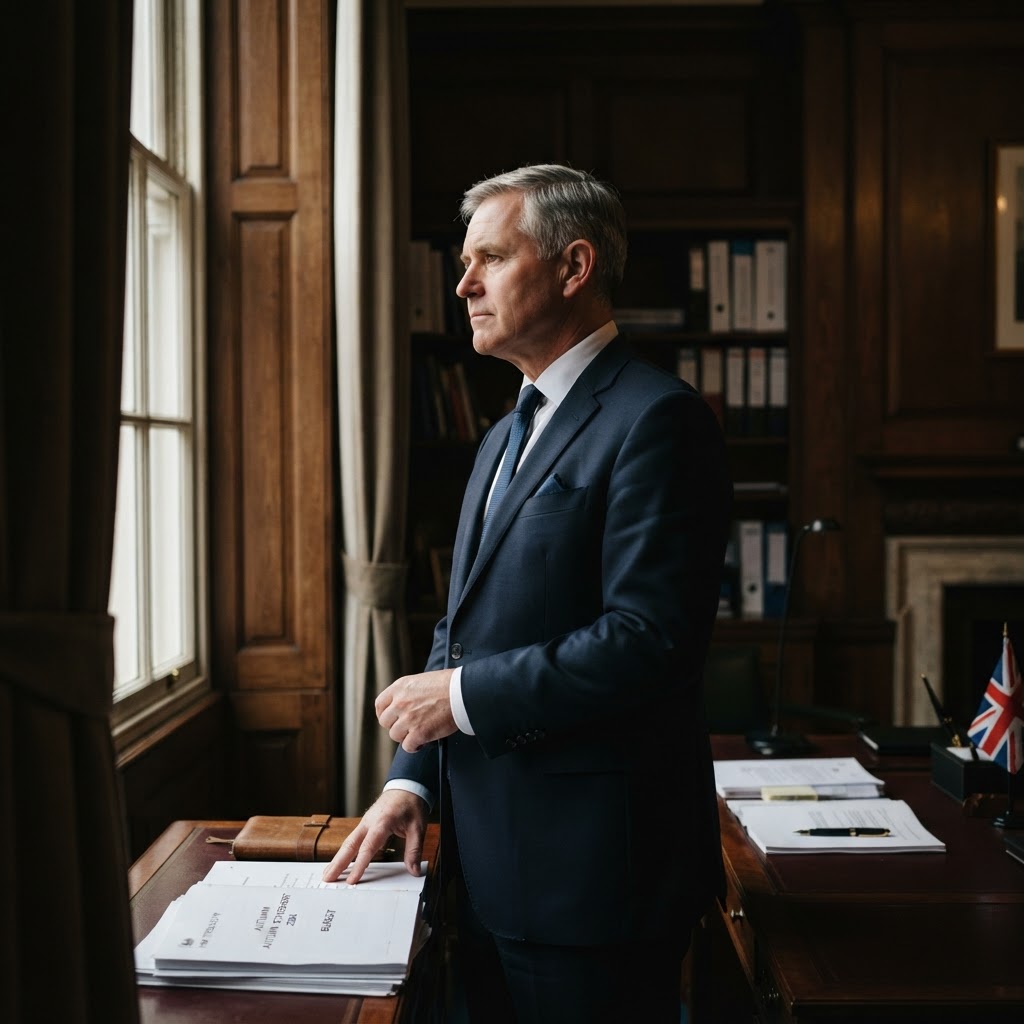
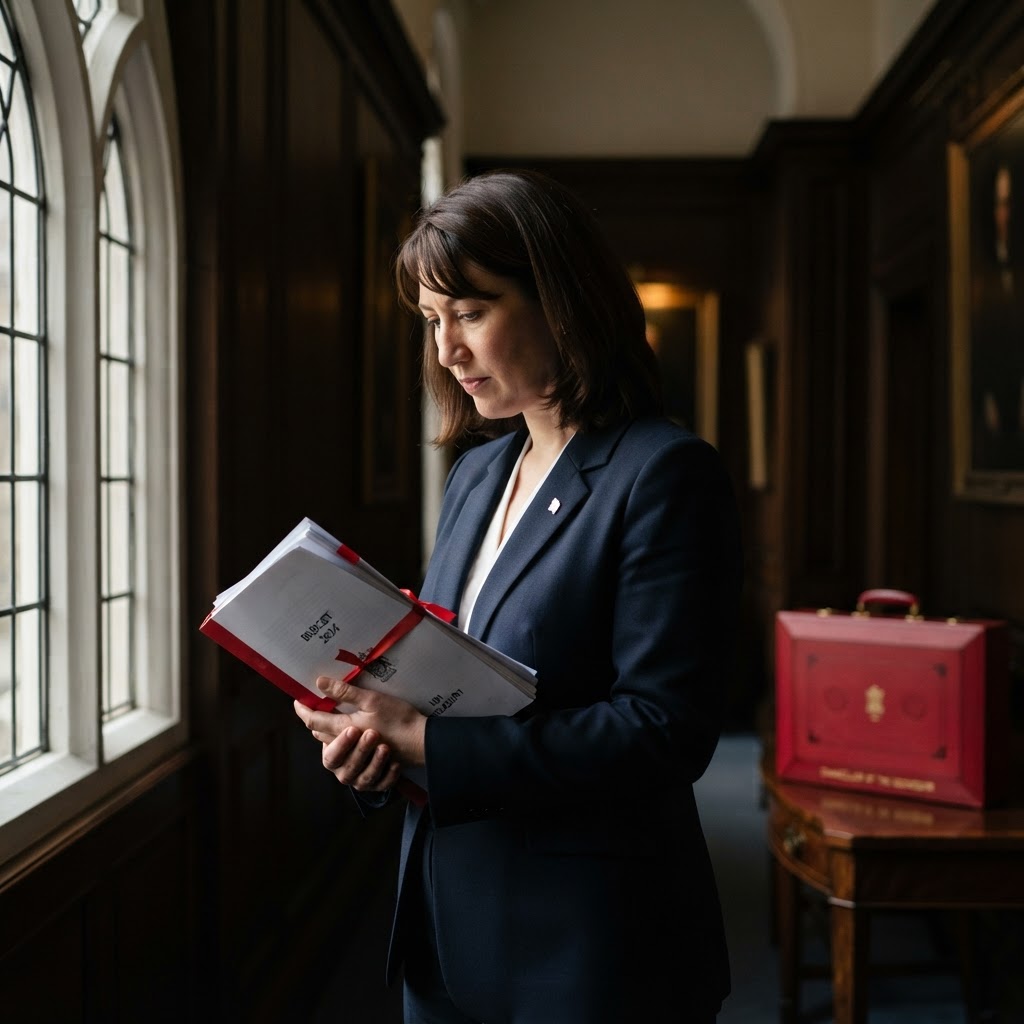
Amidst the turbulence of surging global borrowing costs and energy volatility, Chancellor John Healey has prioritised targeted support for the squeezed middle. The Treasury’s ‘steady as you go’ strategy aims to navigate the perils of a fragile geopolitical landscape under the leadership of Prime Minister Andy Burnham.
A Careful Course Through Economic Storms
For the first time since ascending to the Treasury, Chancellor John Healey stood before the dispatch box on Wednesday to deliver what was widely anticipated to be a budget defined by pragmatism rather than radical reform. Under the fledgling administration of Prime Minister Andy Burnham, which took office only in July, the government has faced an unrelenting gauntlet of economic pressures. As global oil prices remain elevated and the shadow of the ongoing conflict in Iran exerts upward pressure on borrowing costs, Mr Healey’s mandate was clear: steer the economy away from the rocks without inducing a fiscal shock.
Targeted Relief for Households
At the heart of the Chancellor's announcement was a commitment to shield the most vulnerable from the encroaching chill of winter. Recognising the persistent weight of energy costs on domestic finances, Mr Healey unveiled a support package that will reach approximately 20 million households across the United Kingdom. Those residing in council tax bands A to D are set to receive a £100 energy payment, a targeted intervention designed to provide breathing room for middle and lower-income families. While critics may argue that the relief is modest in scale, Treasury officials have defended the measure as a fiscally responsible compromise that addresses the immediate need for liquidity without further stoking the fires of inflation.
Market Reactions and Fiscal Realities
The financial markets provided a rare moment of validation for the Treasury’s cautious approach. By the close of trading on Wednesday, the FTSE 100 had ticked upwards, reflecting a sense of relief among institutional investors who had been braced for more aggressive, potentially destabilising, tax hikes. In the City, the consensus is that Mr Healey has successfully managed expectations, opting for a 'steady as you go' narrative that prioritises long-term debt sustainability over short-term political giveaways. However, beneath the surface of this moderate budget lie profound questions regarding the government's ability to maintain public service funding while navigating high interest rates. The fiscal headroom available to Mr Healey is narrow, constrained by a global economic climate that offers little room for error.
The Shadow of Global Instability
The geopolitical context of this budget cannot be understated. With the war in Iran creating persistent bottlenecks and volatility in energy markets, the UK’s economic future is increasingly tethered to events far beyond Westminster’s control. Mr Healey acknowledged this volatility, noting that the government must remain flexible in its fiscal stance. Economists have noted that while the budget is sensible, it represents a reactive approach to a world in flux. The challenge for Prime Minister Burnham’s government will be to build upon this stability to foster growth in an environment that remains hostile to capital investment and consumer confidence alike.
A Balancing Act for the Future
As the political dust settles, the focus shifts to whether this budget will suffice in the face of sustained economic pressure. The government has managed to avoid a major market revolt, and for many households, the energy payment will offer a welcome buffer against the coming months. Yet, the underlying issues of productivity, sluggish growth, and the necessity of servicing substantial national debt remain unresolved. Mr Healey has successfully navigated the immediate storm, but the path ahead requires far more than mere steady navigation; it requires a structural recalibration of the British economy that this budget merely begins to hint at.