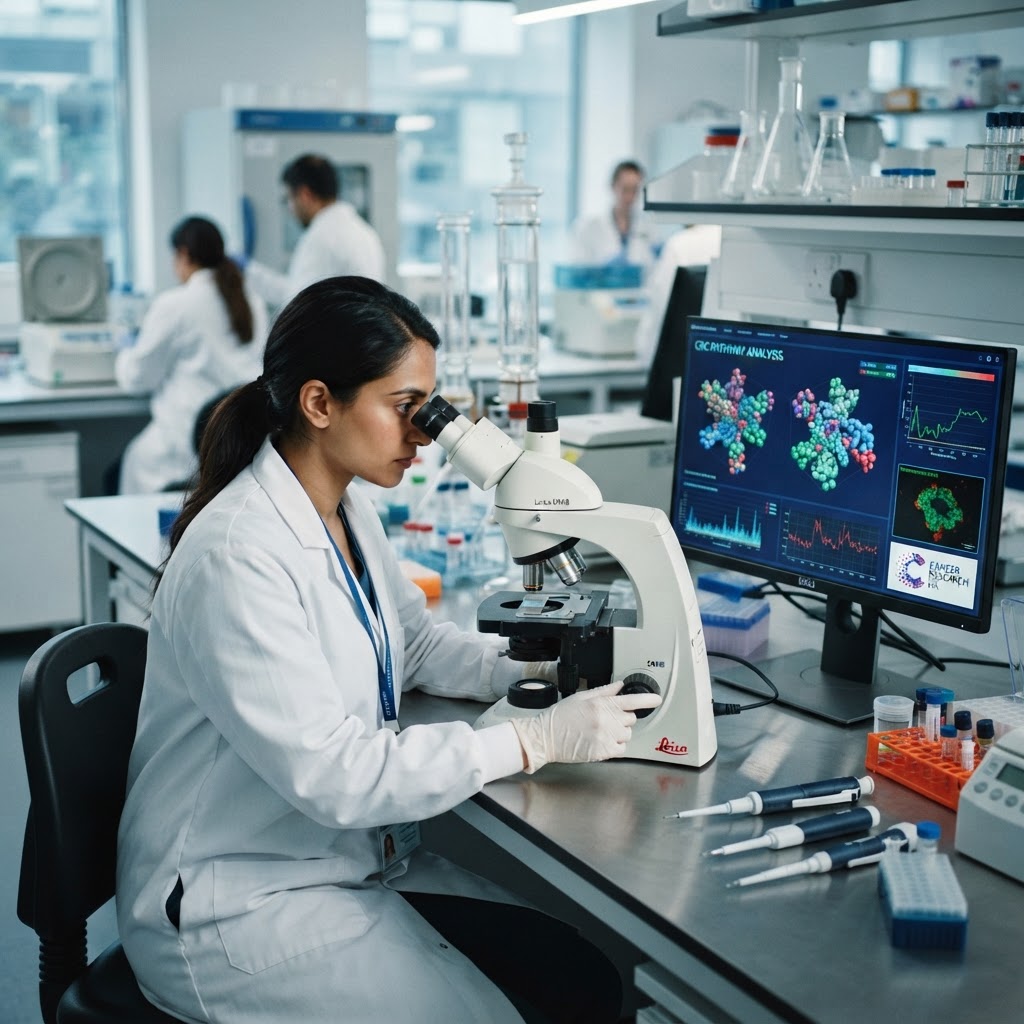
Researchers have identified critical vulnerabilities in the most prevalent form of colorectal cancer. This shift in understanding promises to transform treatment pathways for tens of thousands of British patients.
A Persistent Clinical Challenge
For clinicians across the United Kingdom, the management of microsatellite stable (MSS) colorectal cancer has long been a source of profound frustration. With more than 39,000 Britons receiving a bowel cancer diagnosis each year, the vast majority—between 80 and 85 per cent—fall into the MSS category. Unlike other subtypes of the disease that have seen remarkable outcomes through the advent of immunotherapy, the MSS variant has remained notoriously elusive, often failing to respond to contemporary targeted agents that have revolutionised care for other malignancies.
Mapping the Molecular Landscape
The landscape of this disease, however, is undergoing a seismic shift following an ambitious international collaboration led by The Institute of Cancer Research in London and the RCSI University of Medicine and Health Sciences. By deploying high-resolution molecular analysis, the research team has successfully mapped the underlying biological mechanisms that allow these tumours to thrive, effectively providing a roadmap for future drug development. The study does not merely highlight theoretical possibilities; it serves as a blueprint for repurposing existing medicinal compounds that were previously overlooked for this specific application.
The Promise of Personalised Medicine
Dr. Helen Moore, writing from the front lines of medical innovation, notes that the implications of this study are profound for the standard of care in the NHS. By identifying these specific treatment targets, oncologists may soon be able to move away from the 'one-size-fits-all' approach that has dominated colorectal cancer protocols for decades. Instead, this discovery paves the way for a more nuanced, personalised model where treatment is tailored to the unique biological signature of a patient’s tumour. While the integration of these findings into daily clinical practice will require rigorous phase-three trials, the identification of these targets represents the most significant step forward in years.
Addressing the Treatment Gap
Historically, patients with MSS colorectal cancer have faced limited options once standard chemotherapy regimens have been exhausted. The scientific community has long grappled with why this particular subtype remains 'cold' to the immune system, effectively hiding from the body’s natural defences. The new data suggests that by leveraging these newly identified vulnerabilities, researchers can effectively 'prime' these cancers, making them susceptible to combinations of repurposed drugs or novel agents that were previously deemed ineffective. This is not merely an incremental improvement; it is a fundamental reconfiguration of our approach to one of the most common causes of cancer-related mortality in the UK.
The Road Ahead
As the medical community digests these findings, the focus shifts toward the translation of laboratory success into patient outcomes. Clinical researchers are already identifying which existing medications—already approved for other conditions—might be repurposed to target these newly discovered nodes of tumour growth. This expedited approach could potentially bypass years of development time, offering a more rapid route to the bedside. For the tens of thousands of families affected by this disease annually, the findings published this month offer something that has been in short supply: a tangible, scientifically grounded reason for optimism.