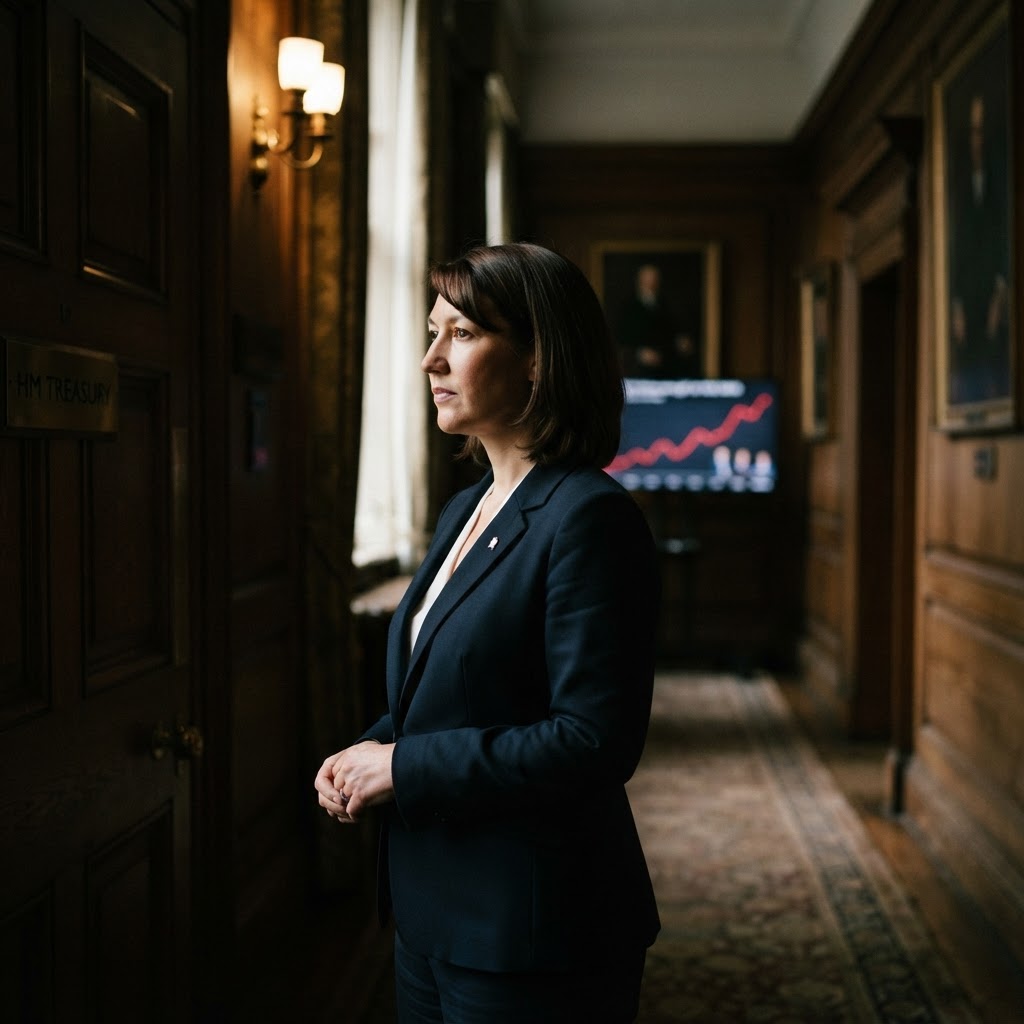
The FTSE 100 has suffered a sharp correction following official data revealing an unexpected uptick in the consumer price index. Investors now brace for a further tightening of monetary policy as the Bank of England faces mounting pressure to address the cost-of-living resurgence.
A Troubling Departure from Expectations
The blue-chip index of the London Stock Exchange endured a sobering session on October 23, 2026, as the FTSE 100 shed 84.40 points, or 0.79 per cent, to close at 10,640.63. The decline reflects a broader sentiment of anxiety across the City, triggered by the publication of data showing that the UK consumer price index had climbed to 3.5 per cent in the twelve months to September. This figure not only bypassed the 3.4 per cent forecast by City analysts but also represented the highest inflationary reading in eleven months, effectively putting an end to the cautious optimism that had characterised the summer months.
The Shadow of November
For the Bank of England’s Monetary Policy Committee, the latest data presents a stark dilemma. With inflation drifting further from the two per cent target, the consensus among market participants is shifting rapidly towards the probability of a further interest rate hike when the committee convenes on November 5. High borrowing costs, which many analysts had hoped might begin to moderate by the fourth quarter, now appear likely to persist well into the next year. Debt-servicing costs for both businesses and households are set to rise, casting a long shadow over consumer discretionary spending and corporate capital expenditure.
Energy Costs and Geopolitical Volatility
The primary engine driving this inflationary resurgence is the volatile energy sector. Persistent geopolitical tensions in the Middle East have disrupted supply chains and pushed fuel prices to levels that have not been seen since the energy crisis of the early 2020s. The direct impact is filtering through to every level of the supply chain, creating a secondary wave of cost-push inflation that is notoriously difficult for central banks to control through interest rate adjustments alone. Transport, manufacturing, and logistics firms have reported that margin compression is becoming a structural concern rather than a temporary anomaly.
Banking Sector Under Siege
The banking sector, usually a bedrock of the FTSE 100, bore the brunt of Friday’s trading session. Financial institutions saw their valuations contract as investors weighed the twin pressures of increased cost-of-funds and the pervasive, if unconfirmed, rumours of impending tax changes. Market speculation regarding potential adjustments to the bank levy has created an environment of regulatory uncertainty that shareholders are currently keen to avoid. Should the Treasury move to extract greater revenues from the sector, the profitability of major lenders, already squeezed by the cost of provisioning for bad debts, would face a significant hurdle.
Expert Perspectives
Financial analysts are increasingly concerned that the 'higher for longer' interest rate environment will throttle the UK's nascent economic recovery. Dr Sarah Jenkins, chief economist at a leading London-based investment firm, noted that the central bank is effectively walking a tightrope. The mandate to stabilise prices remains the primary objective, yet the risk of over-tightening is substantial. The challenge for the Bank of England lies in differentiating between transient supply-side shocks and embedded price setters that could fuel a wage-price spiral.
Looking Ahead
As the market looks toward November, the outlook remains clouded. Traders are recalibrating their portfolios, moving away from high-beta stocks and towards defensive assets that can weather the storm of rising interest rates and subdued economic growth. While the FTSE 100 has demonstrated resilience throughout much of 2026, the combination of sticky inflation and political speculation suggests that the volatility experienced this week may well persist until the central bank provides a clearer signal regarding their medium-term intentions.