National Post UK
A Generation in Peril: The Mounting Crisis in Paediatric Healthcare

The Care Quality Commission has issued a stark warning as waiting lists for children’s services reach a breaking point.

The National Post

HomeHealth & Wellbeing
Health & Wellbeing

A Generation in Peril: The Mounting Crisis in Paediatric Healthcare

The Care Quality Commission has issued a stark warning as waiting lists for children’s services reach a breaking point. Experts caution that systemic delays are causing manageable conditions to evolve into complex, long-term health burdens.

DH

Dr. Helen Moore

Health Correspondent

Published 24 October 2026·about 1 hour ago 3 min read
Text
Share

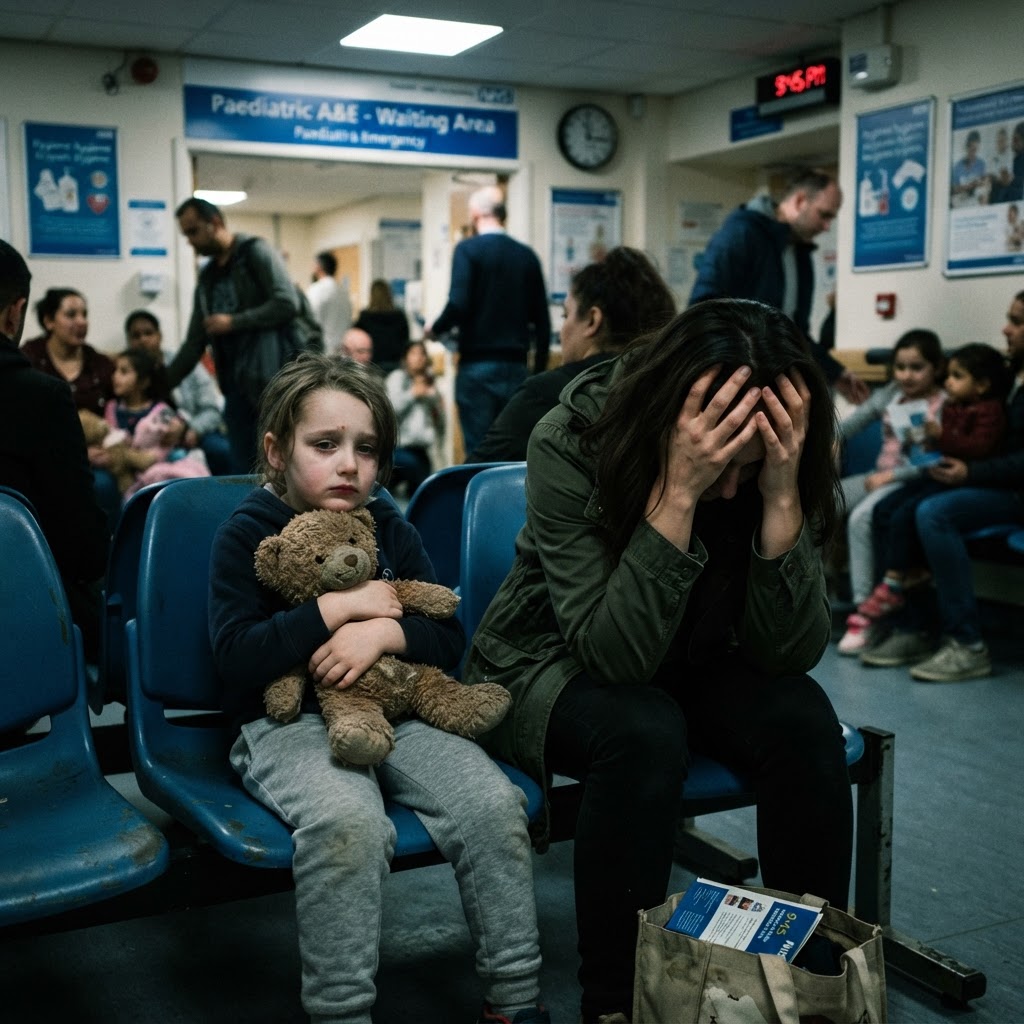
The Anatomy of a Service Failure In a damning assessment published this week, the Care Quality Commission (CQC) has laid bare the deteriorating state of paediatric healthcare across England. The findings reveal a landscape where the promise of timely intervention, a cornerstone of the National Health Service since its inception, is increasingly failing the nation’s youngest patients. As waiting times for specialist consultations and elective procedures climb to record levels, clinicians are reporting a distressing trend: conditions that were once easily rectified are now escalating into chronic, multifaceted challenges.

The Cost of Inaction The implications of these delays extend far beyond the inconvenience of a missed appointment. Dr. Sarah Jenkins, a consultant paediatrician, suggests that the current environment is fostering a 'chronic deterioration' of child health. When a child waits months for a referral, the window for early intervention—often the most effective stage of treatment—slams shut. Simple developmental issues, if left unaddressed, metastasize into complex behavioural and physical complications that require significantly more intensive, and expensive, clinical resources to manage.

The Geography of Inequality Perhaps the most concerning aspect of the CQC’s findings is the persistent regional disparity. A child living in one corner of England may face an entirely different clinical reality than one residing a hundred miles away. Access to specialist care has become a postcode lottery, with some trusts struggling under the weight of archaic staffing models and recruitment shortages, while others grapple with inadequate infrastructure. This uneven distribution of care threatens to widen the existing socio-economic health gap, punishing families based solely on their geographical location.

Systemic Pressure and Policy Paralysis The NHS is currently navigating a period of unprecedented turbulence, balancing the immediate demands of an ageing population against the long-term needs of the paediatric cohort. However, the CQC report serves as a reminder that the latter is frequently sidelined in favour of more vocal, short-term pressures. The system is struggling to adapt to the surging volume of demand, yet the structural reforms required to streamline patient pathways remain caught in bureaucratic stasis. For paediatric services to recover, there must be a radical pivot towards community-based diagnostics and a reversal of the chronic under-resourcing that has come to define the last half-decade.

Looking Ahead As the winter months approach, the pressure on the primary care sector is expected to intensify. Without a concerted effort to decentralise paediatric care and bolster the ranks of specialised nurses and consultants, the cycle of delay will continue to compromise the long-term wellbeing of a generation. The CQC’s report is not merely a bureaucratic audit; it is a clinical diagnosis of a system in urgent need of political will to ensure that child health is once again prioritised at the heart of our national health infrastructure.

TopicsNHSPaediatricsCQCHealthcare PolicyChild Health
Share

About the Author

DH

Dr. Helen Moore

Health Correspondent

Dr. Helen Moore reports for National Post UK with a focus on rigorous analysis and authoritative journalism — a trusted voice across British public life.

Reader Discussion · 12

Subscribers can join the conversation.

SUBSCRIBE TO COMMENT →
G
Graham Foster24 Oct

I am not sure that throwing more money at the problem is the only answer. We need a fundamental rethink of how primary and secondary care link up to stop patients falling through the gaps.

E
Eleanor Higgins24 Oct

The dedication of the paediatric nurses and doctors remains outstanding despite the systemic issues. It is a tragedy that such skilled professionals are being hampered by poor management and under-resourcing.

M
Marcus Bennett24 Oct

I suspect these figures are actually worse than reported. Many parents I know have simply given up on the NHS for minor paediatric concerns and are paying for private consultations because they cannot get an appointment.

L
Linda Walters24 Oct

We need to look at the preventative side of things rather than just reacting when children are already in crisis. Schools and community hubs need more resources to support children before they end up in the hospital system.

D
David Thorne24 Oct

It is all well and good identifying the failures, but where is the funding coming from to actually fix this? We hear these damning assessments every year yet nothing ever seems to change.

S
Sarah Jenkins24 Oct

Having spent eight hours in A&E with my daughter last week, this report comes as no surprise. The staff were doing their absolute best, but they are clearly stretched beyond breaking point.

E
Elena Rodriguez24 Oct

The focus should shift to preventative care rather than just emergency intervention. If we supported families better in the community, perhaps we would see fewer children ending up in such dire situations at the hospital.

M
Marcus Sterling24 Oct

While the figures are indeed concerning, we must be careful about painting the entire service with the same brush. My local hospital paediatric ward has been nothing but professional and swift during our recent visits.

F
Fiona Campbell24 Oct

My sister is a paediatric nurse and she is absolutely heartbroken by the state of things. She wants to provide the best care, but she is physically and mentally exhausted by the sheer volume of patients and lack of resources.

D
David Thorne24 Oct

I wonder if the CQC report takes into account the massive increase in pressure from walk-in cases that should be handled by GPs. The system is being misused, and it is the children who suffer as a result.

A
Arthur Penhaligon24 Oct

It is all well and good blaming the management, but until we address the systemic underfunding of the NHS, these paediatric services will continue to crumble. We need a long-term strategy, not just another damning report that is forgotten in a week.

S
Sarah Jenkins24 Oct

Having spent eight hours in A&E with my toddler last week, this report comes as no surprise. We were left in a corridor because there simply weren't enough beds or nurses to cope with the influx.


More from Health & Wellbeing

Most Read in Health & Wellbeing

Morning Briefing

The day's top stories, before 7am

Join 40,000 readers who start their morning with National Post UK.