The Anatomy of a Systemic Failure The resilience of Britain's aviation infrastructure faced a stern test this week as a catastrophic failure within the National Air Traffic Service (Nats) flight processing system brought the nation's skies to a virtual standstill. For thousands of travellers, what began as a routine departure quickly descended into a protracted ordeal of cancellations and significant delays. The technical fault, which emerged during the peak of early autumn travel, served as a stark reminder of the fragility inherent in the complex digital systems that govern contemporary flight paths.
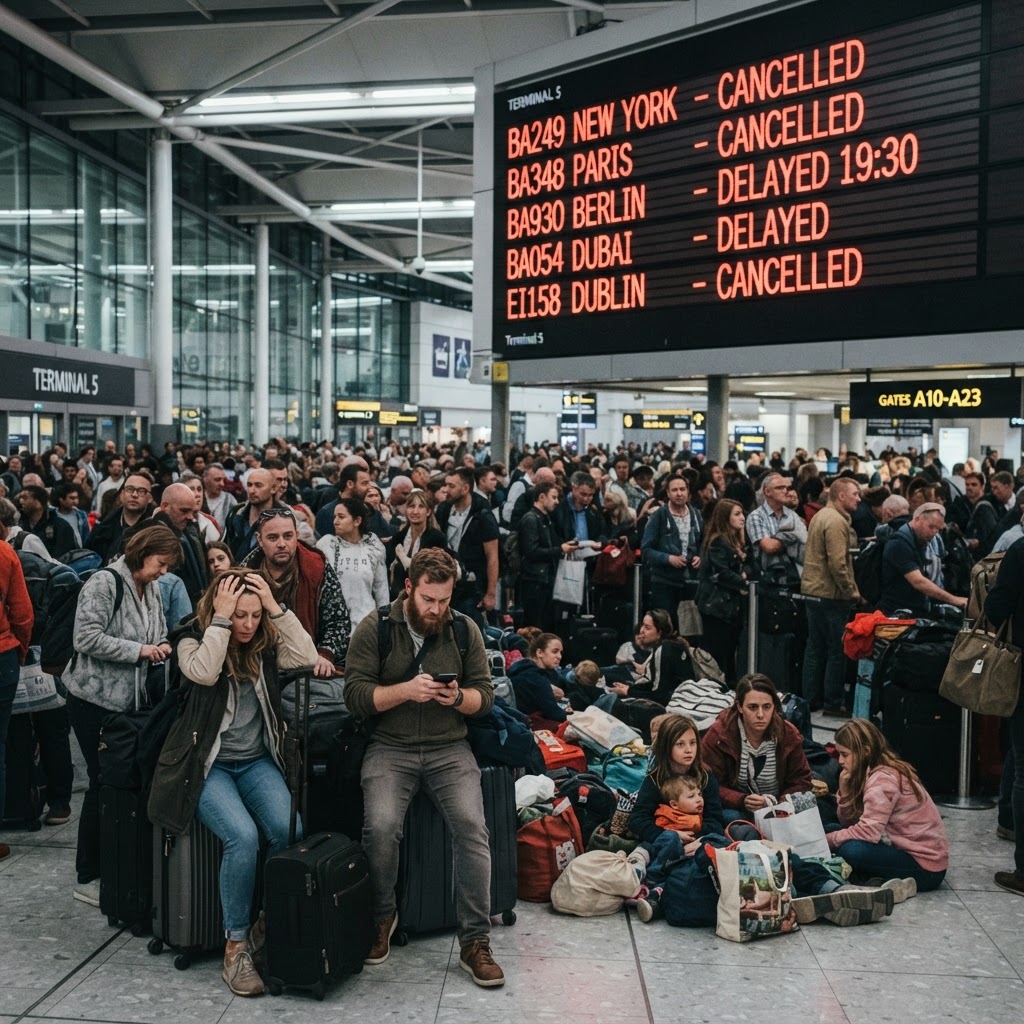
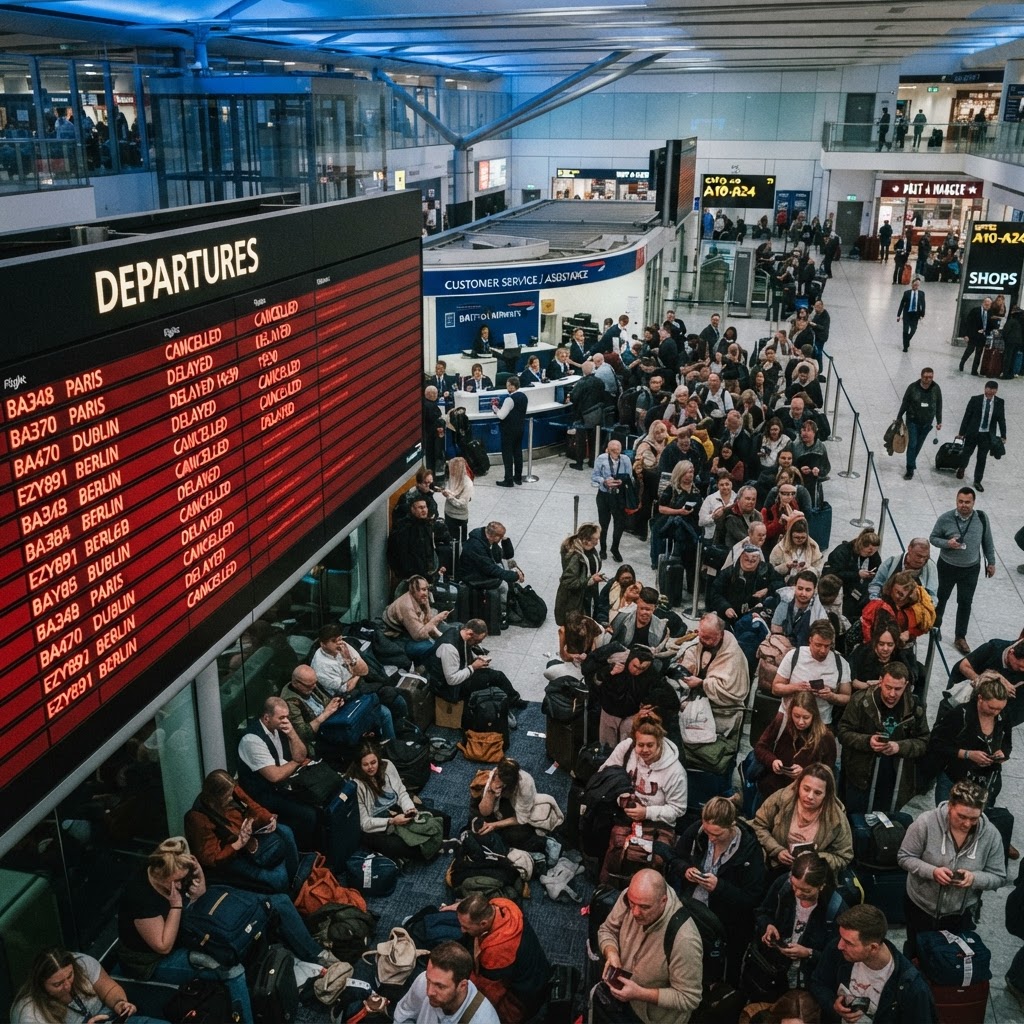
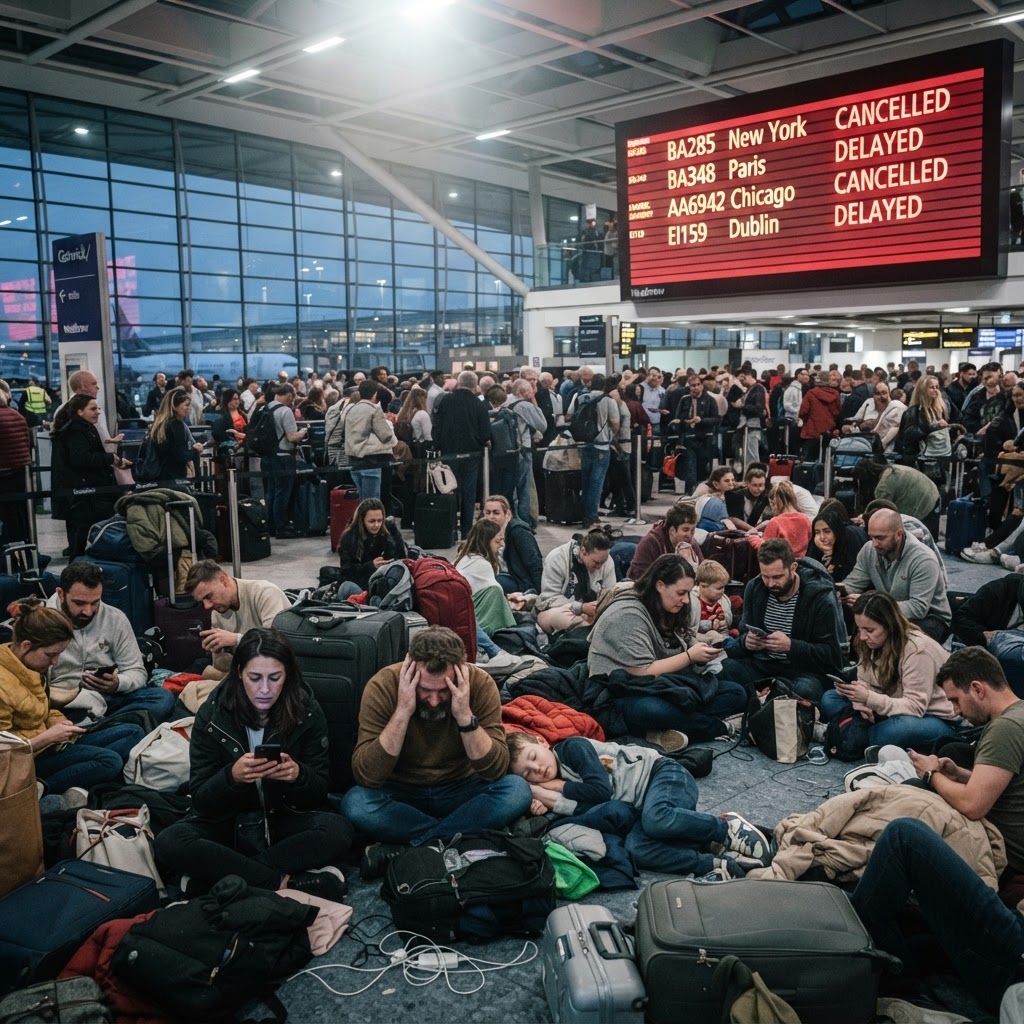
By the time Nats engineers successfully identified and isolated the underlying defect, the damage to flight schedules had already rippled outward, affecting virtually every major hub. Heathrow, Gatwick, Manchester, and Bristol were among the worst affected, with thousands of passengers left stranded as departure boards turned to a sea of red notifications. While the airspace itself remained technically open—precluding a complete shutdown of UK aviation—the flow of traffic was severely constrained, rendering the usual high-density operations of the London hubs impossible to sustain.
The Logistical Nightmare of Recovery Industry experts have cautioned that fixing a software glitch is merely the preliminary stage of a far more arduous recovery process. In the world of commercial aviation, schedules are balanced on a razor's edge; a delay in the morning often dictates the viability of flights scheduled for the following day. When aircraft are grounded for hours, they frequently fail to reach their intended base of operation, leaving flight crews stranded and planes out of position. This 'knock-on' effect suggests that the disruption will likely persist well into Wednesday, 9 September, as airlines struggle to reset their domestic and international rotations.
Travel analyst Simon Thorne notes that while Nats eventually restored the integrity of their data systems, the sheer volume of displaced passengers creates an logistical bottleneck that cannot be cleared overnight. 'The challenge is not merely technical, but human and mechanical,' Thorne observed. 'You have thousands of flight crew members who have reached their maximum legal flying hours while waiting on the tarmac. You have planes that are now at the wrong airports. Bringing a system of this complexity back to equilibrium is akin to performing surgery on a system that is still in motion.'
Consumer Rights and Future Outlook For the affected public, the mood at major terminals remained strained yet stoic. Airlines have issued guidance urging passengers to refrain from travelling to airports without confirmed flight status, a directive that seeks to prevent the overcrowding of departure halls. Under the UK's current aviation regulations, passengers are entitled to support, including accommodation and refreshments, when delays of this magnitude occur, though many will find themselves navigating a frantic customer service environment in the coming days.
The incident will inevitably trigger a formal enquiry into the robustness of the Nats infrastructure. As the UK moves toward increasingly automated flight management systems, questions regarding redundancy and the speed of failover protocols are expected to dominate the discourse in Westminster. Aviation regulators are likely to demand transparency regarding why the failure occurred and what measures are being put in place to ensure that such a single point of failure cannot paralyse the national network in the future. For now, the focus remains on the methodical, albeit slow, restoration of connectivity across the British Isles.
“The challenge is not merely technical, but human and mechanical; bringing a system of this complexity back to equilibrium is akin to performing surgery on a system that is still in motion.”