Norwich Pioneers Holistic Care Model in Bid to Revitalise Community Health
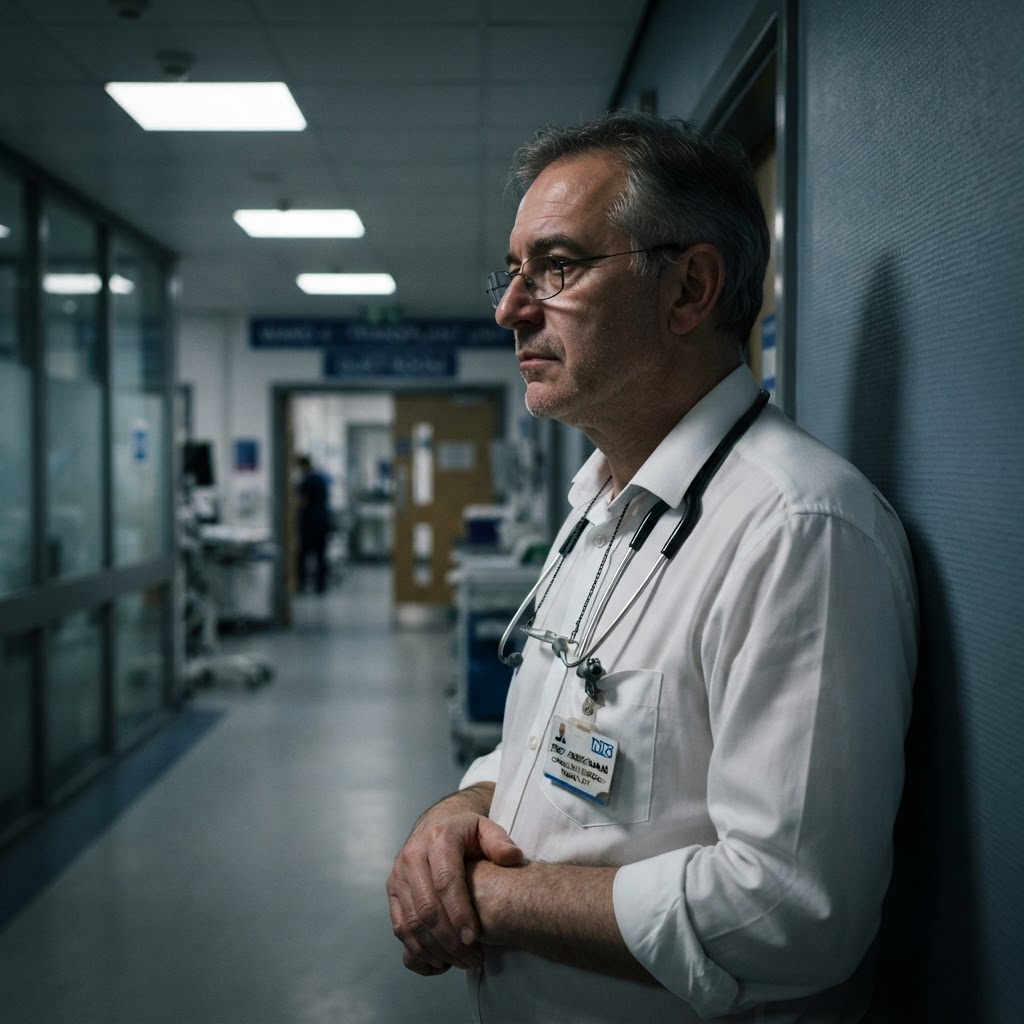
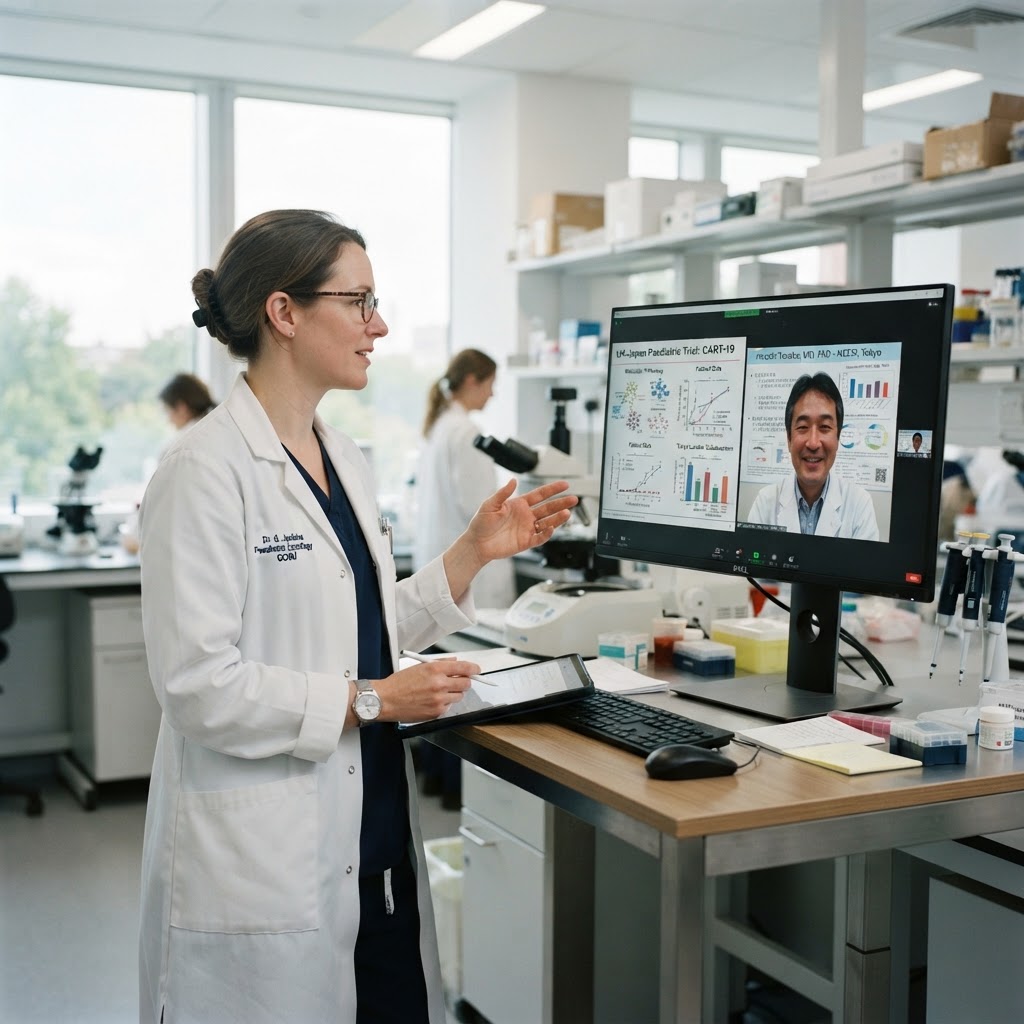
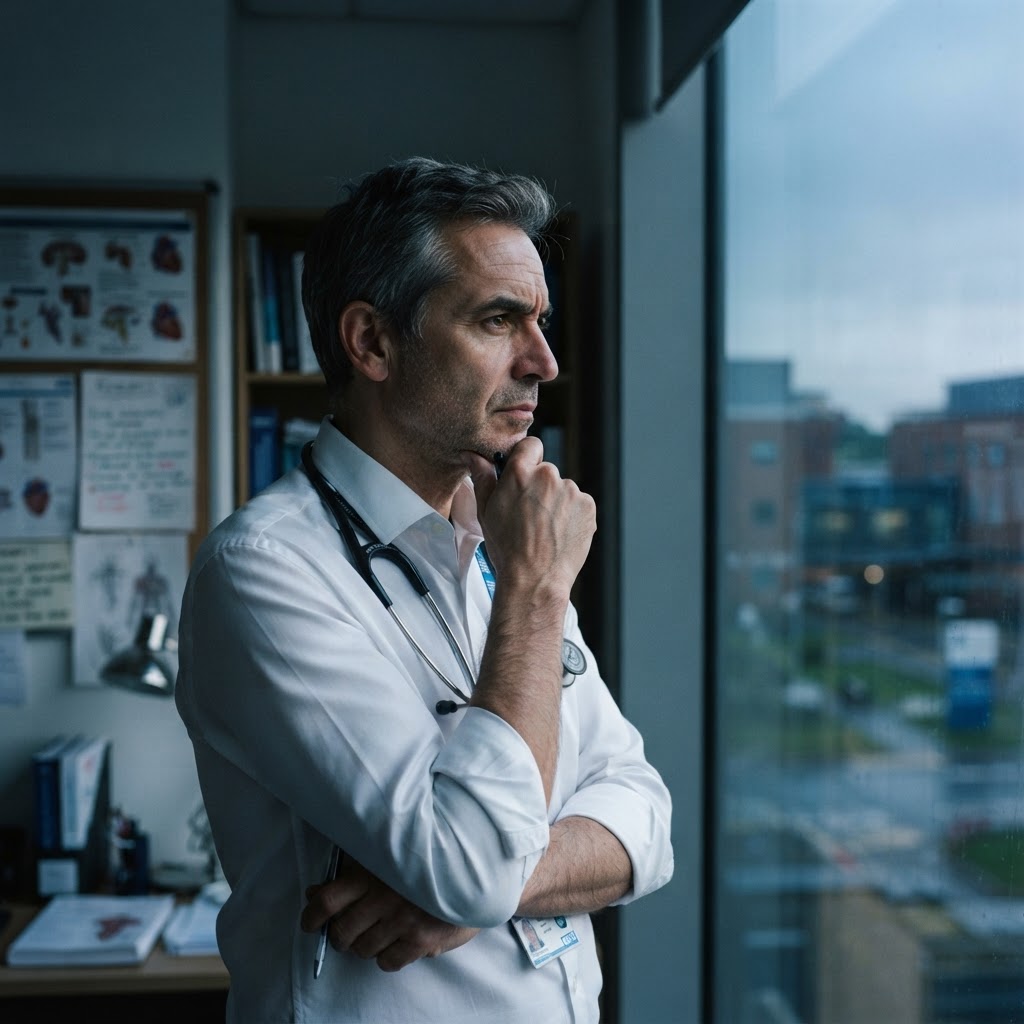
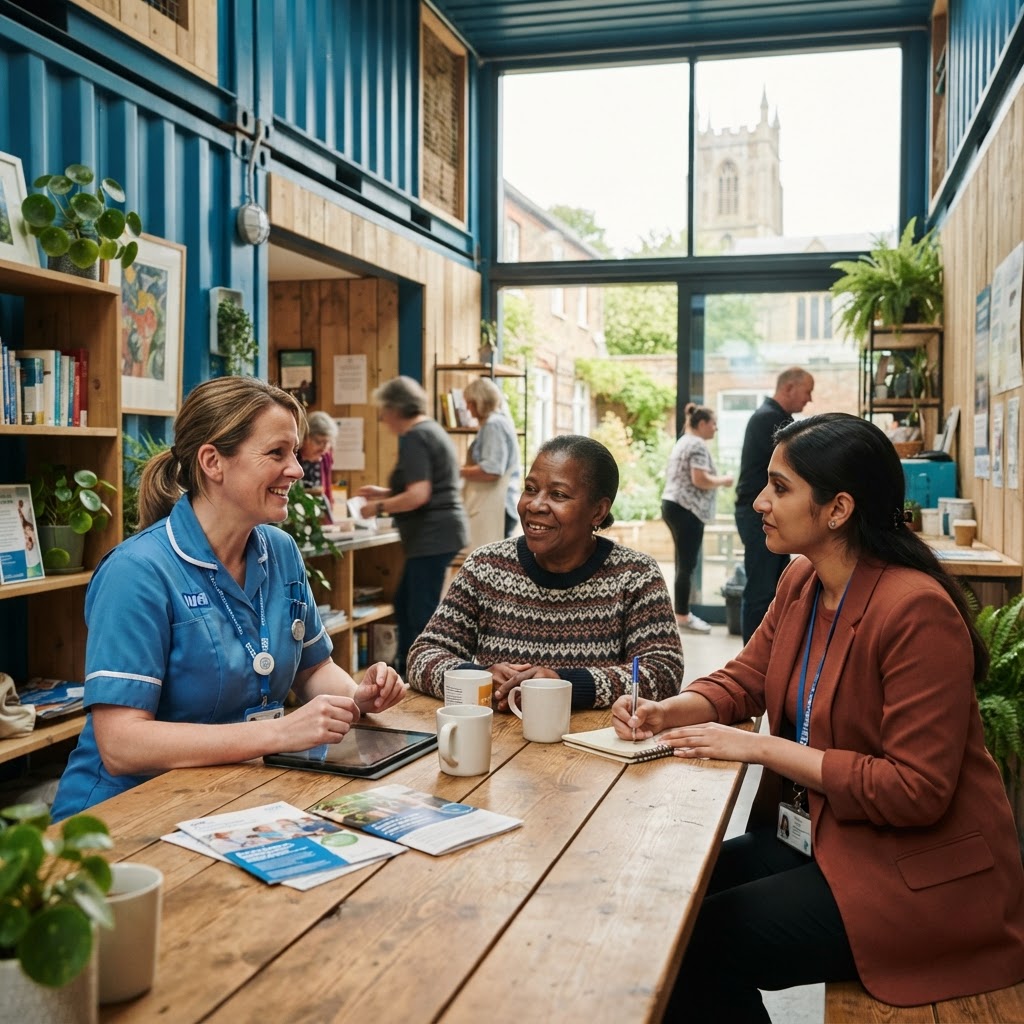
A new integrated hub in the heart of NR3 aims to dismantle the barriers between clinical medicine and social care. By co-locating NHS services with local council support, authorities hope to alleviate the mounting pressure on acute hospital wards.
SC
Samantha Cole
Health Correspondent
Published 5 October 2026·4 days ago 3 min read
Text
TopicsHealthNHSNorfolkSocial CareMental HealthNorwichPublic Policy
About the Author
SC
Samantha Cole
Health Correspondent
Samantha Cole reports for National Post UK with a focus on rigorous analysis and authoritative journalism — a trusted voice across British public life.
Reader Discussion · 6
Subscribers can join the conversation.
SUBSCRIBE TO COMMENT →E
Eleanor Rigby5 Oct
A step in the right direction for the East of England. I hope the powers that be keep this focused on local needs rather than getting bogged down in administrative red tape.
D
David W. Fletcher5 Oct
I am curious to see how they plan to handle the increased patient volume this will inevitably attract. Norwich is already struggling with wait times at the local surgeries, and I fear this might just add more pressure on staff.
L
Linda Higgins5 Oct
My mother has been struggling to navigate the current system for months, and it has been a complete nightmare. If this service can actually simplify the process of getting help, it will be a godsend for families in the city.
D
Dr. Marcus Thorne5 Oct
Integrating social care with primary health is the gold standard we should have aimed for decades ago. The success of this model will entirely depend on the quality of the communication between the GPs and the community support workers.
S
Sarah Jenkins5 Oct
While the idea sounds lovely on paper, I worry about where the funding will actually come from long-term. We have seen these pilot schemes launch with fanfare only to be scrapped when the budget tightens.
A
Arthur Penhaligon5 Oct
It is about time we moved away from the piecemeal approach. I have lived in Norwich for forty years and seeing the different services finally talking to one another is a breath of fresh air.