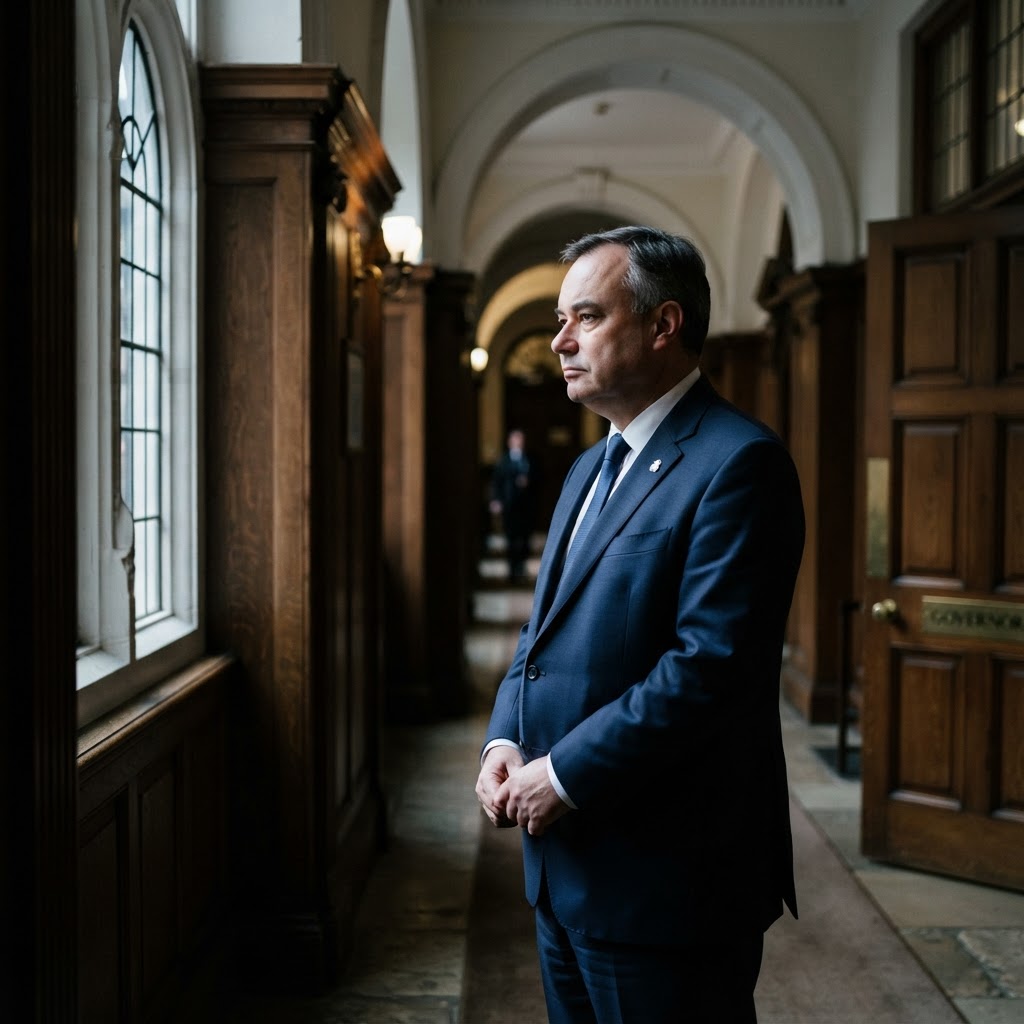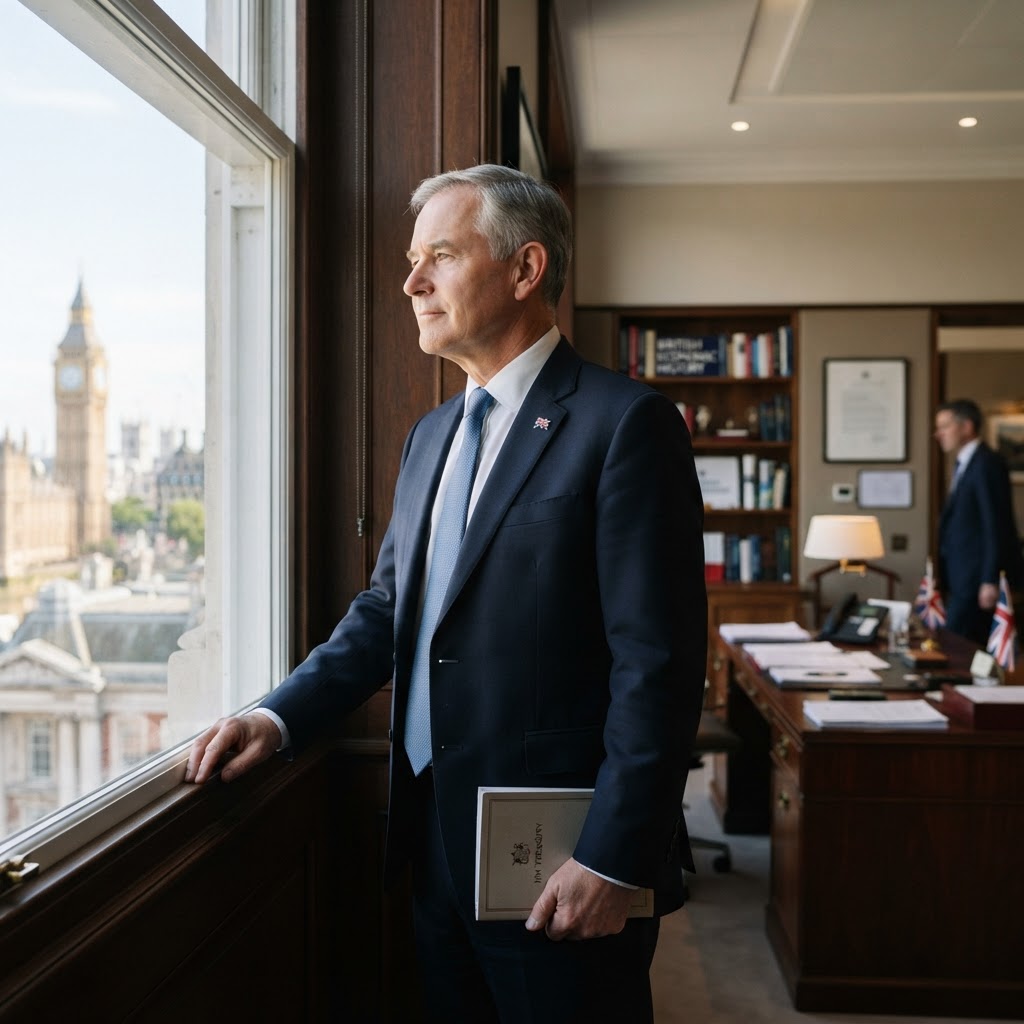
A Period of Measured Caution In a decision that surprised few within the square mile but provided significant relief to the equity markets, the Bank of England’s Monetary Policy Committee (MPC) announced on 17 September 2026 that the base interest rate would remain unchanged at 3.75 per cent. This marks the sixth consecutive meeting in which the central bank has elected to hold borrowing costs steady, reflecting a deepening commitment to a 'wait and see' strategy. As policymakers grapple with the dual challenges of persistent domestic inflation and a fragmented global supply chain, the decision signals a period of deliberate, if uncomfortable, equilibrium.
Market Ebullience The response from the FTSE 100 was immediate and robust. Following the mid-morning announcement, the blue-chip index climbed steadily, reflecting investor confidence that the current cost of capital is unlikely to shift in the immediate term. Trading desks across London reported a sense of reassurance, as firms operating under high debt burdens were granted a temporary reprieve from the spectre of further monetary tightening. For many investors, the stability in Threadneedle Street is being interpreted as a sign that the central bank remains confident in its ability to manage price growth without further aggressive intervention.
The Inflationary Conundrum Despite the market optimism, the economic landscape remains fraught with difficulty. The MPC, led by Governor Andrew Bailey, faces an increasingly complex task in balancing the cooling of demand with the need to avoid tipping the UK economy into a deeper recession. Supply chain bottlenecks, exacerbated by geopolitical tensions in key shipping lanes, continue to keep the prices of imported goods elevated. While the headline rate of inflation has shown signs of softening, core metrics remain stubbornly above the central bank’s target, forcing officials to maintain their cautious stance.
Expert Perspectives Market analysts are divided on how long this period of stagnation can persist. Dr Alistair Vance, a senior economist at a leading City firm, suggests that while the pause is prudent, it cannot last indefinitely. 'The Bank is walking a fine line,' Vance remarked during a briefing. 'By holding at 3.75 per cent, they are providing the market with the certainty it craves. However, the longer we stay at this level, the more strain is placed on household discretionary spending, which may eventually lead to a more pronounced downturn in consumer-facing sectors.'
Others point to the global context. With the European Central Bank and the Federal Reserve adopting their own nuanced approaches to monetary normalisation, the Bank of England is under pressure to ensure that sterling does not face undue volatility. The strength of the currency in the wake of this week’s announcement suggests that global markets are currently comfortable with the UK’s trajectory, provided that subsequent data does not reveal a further acceleration in price pressures.